
- Download Issue 65 (US Letter, 7,8 mb) Buy as Book on Demand here (US) and here (DE)

7 – Čačak
Serbia
Art Gallery Nadežda Petrović
Inauguration: June 5, 2025
Additional Informations about Čačak
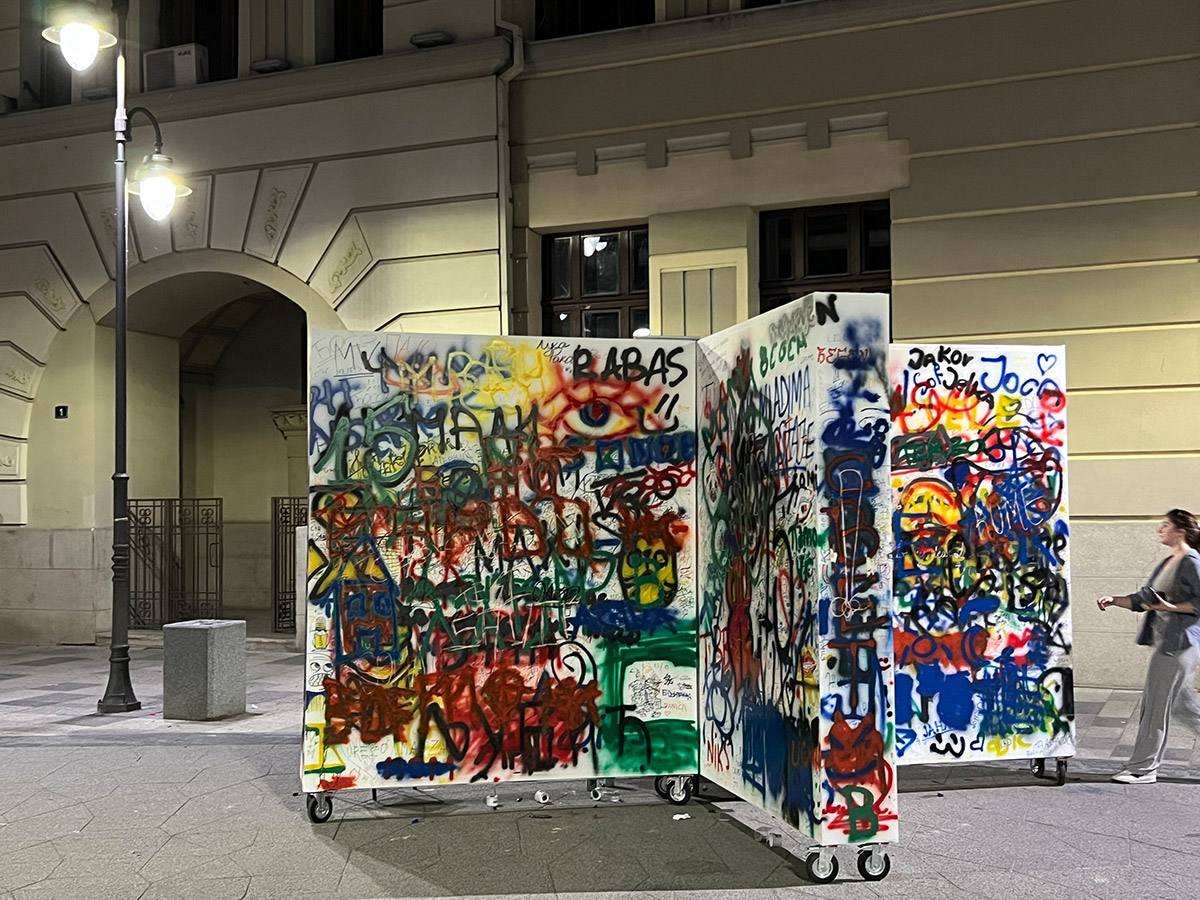
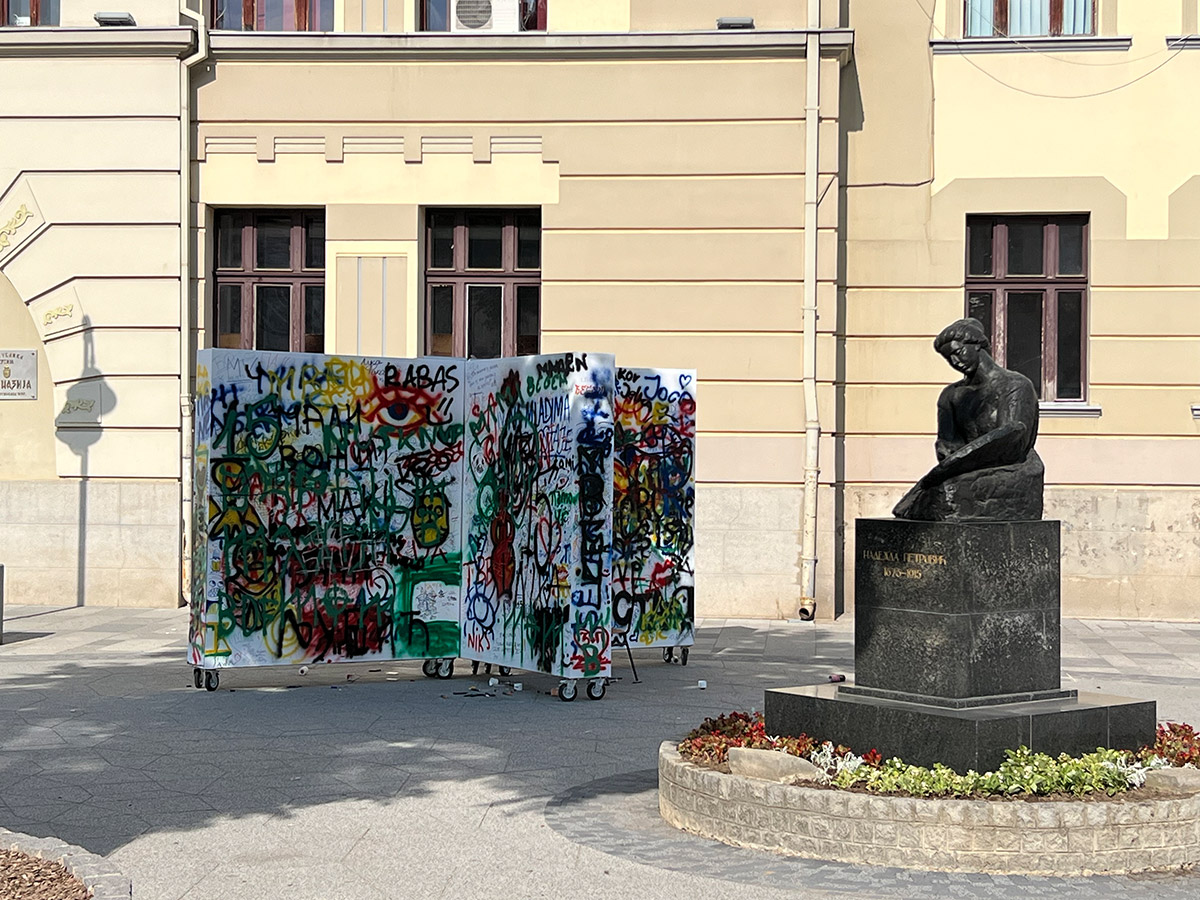
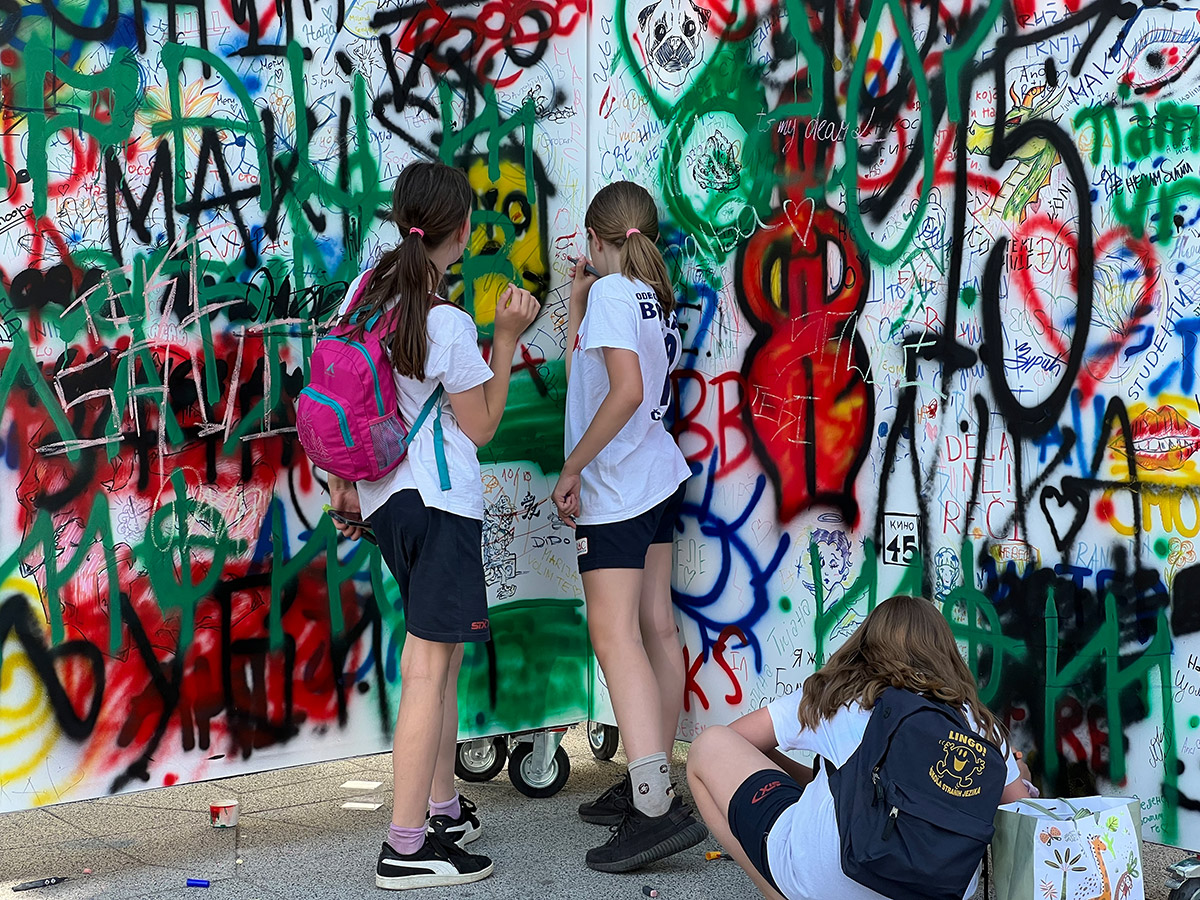
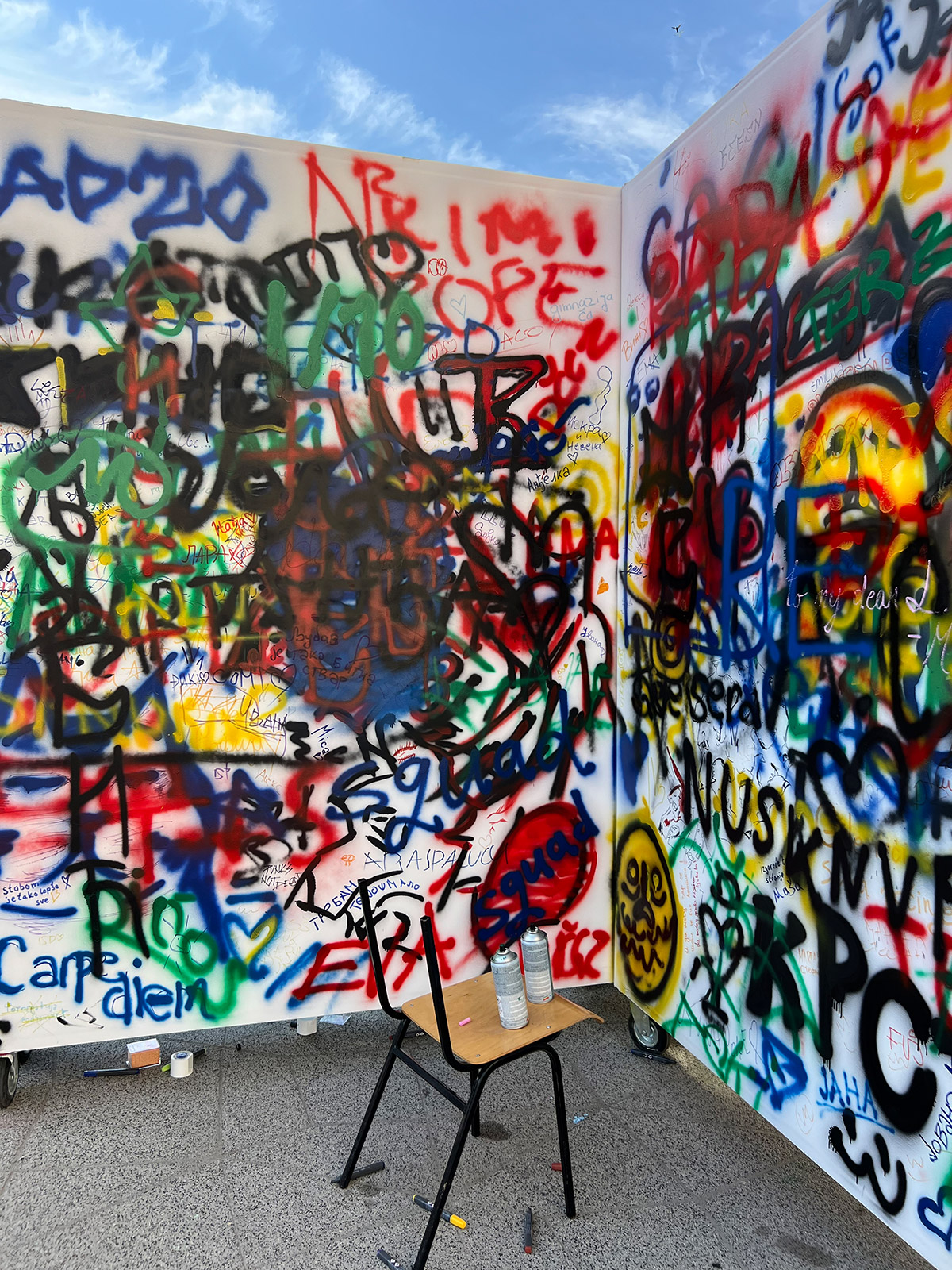
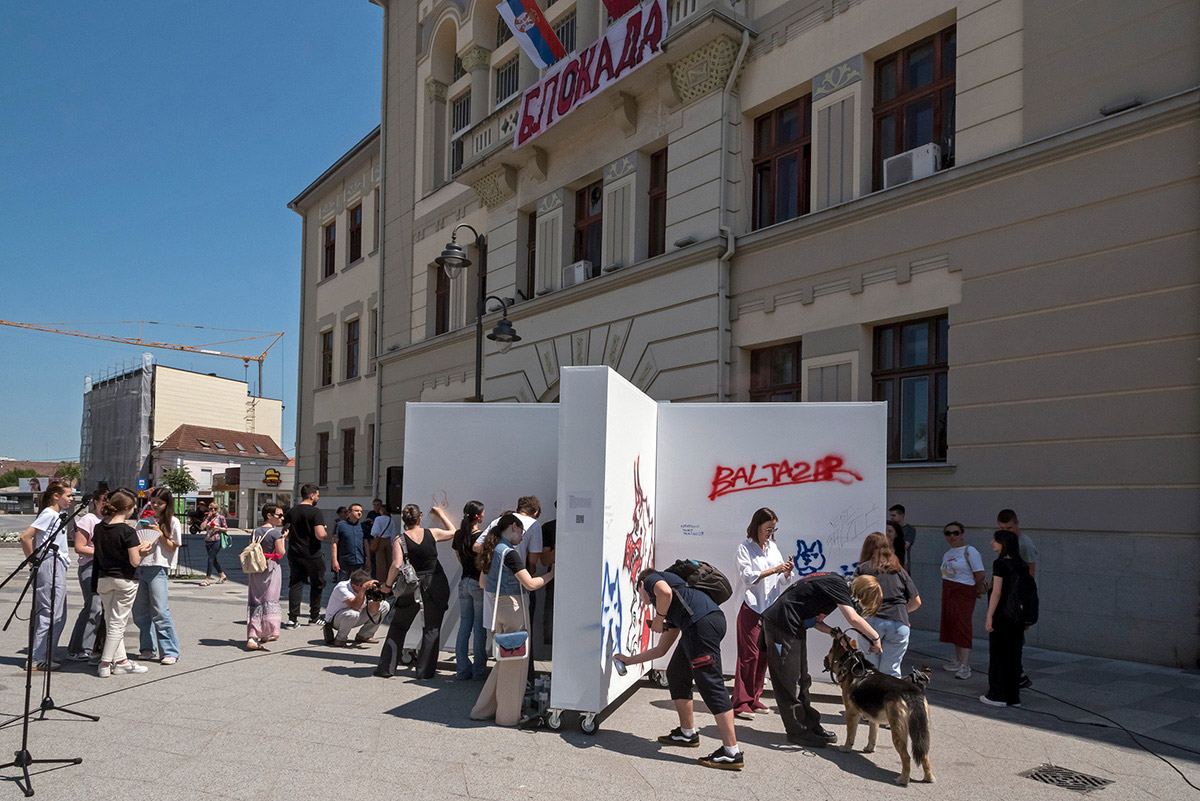
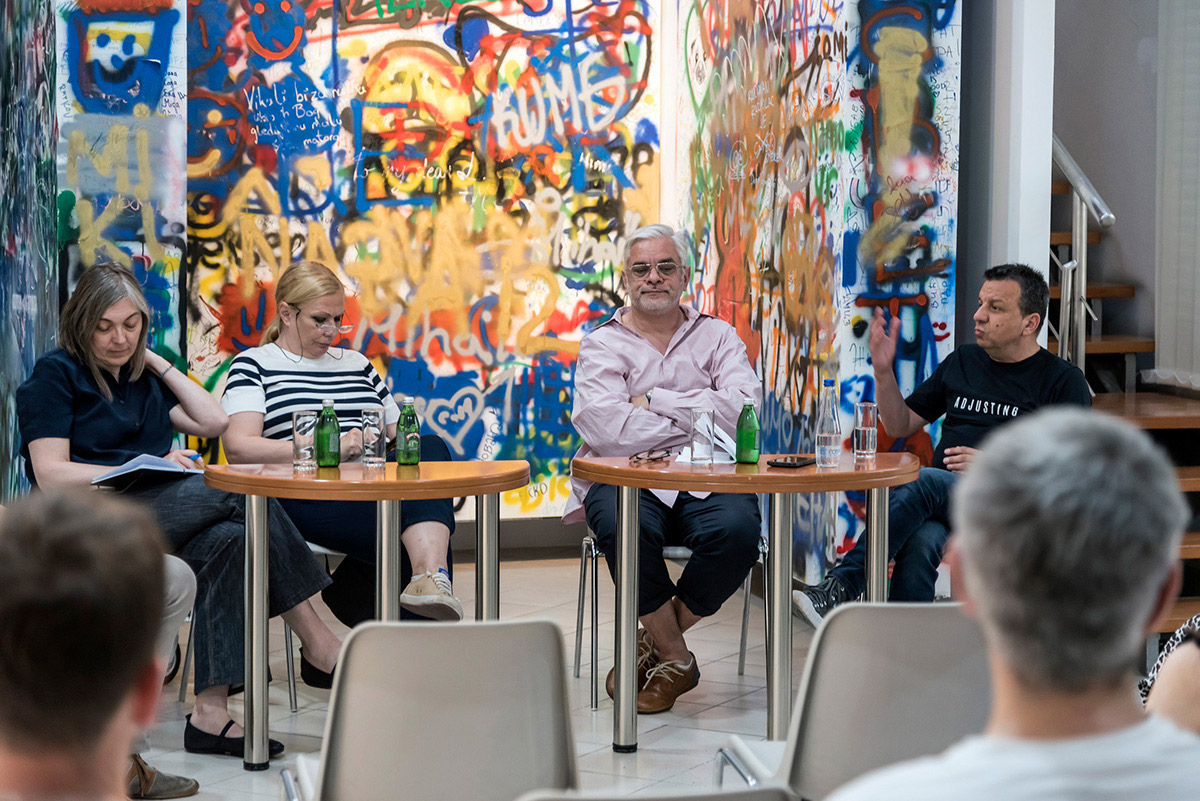
Panel discussion “Art in Public Space – Documents of Destruction”, June 5, 2025, with Mariela Cvetić, Jasmina Čubrilo, Bojan Djordjev, Predrag Živković, and Zoran Erić
Panel discussion: Art in Public Space – Documents of Destruction
In societies marked by deep social and political tensions, public space often becomes a contested arena in which artistic expression is vulnerable to acts of aggression, vandalism, and even censorship. Artworks placed in these shared spaces can provoke strong emotional reactions, serving both as catalysts for dialogue and as flashpoints for conflict.
This issue has been particularly evident in recent editions of the "Nadežda Petrović" Memorial in Čačak, where several publicly exhibited artworks have been subjected to damage, removal, or censorship. One notable example is Fake ID (2002) by Miodrag Krkobabić, which was installed in a "city-light" advertising panel and later targeted in a vandalistic attack. Another case involves the work of Italian artist Luca Vittone, Nothing to Say, Just Be, presented in 2007 along the city promenade. Following complaints from local citizens claiming the work “offended their sensibilities,” the municipal inspectorate ordered its removal.
These incidents are emblematic of broader societal dynamics and highlight the precarious position of art in public contexts. They raise critical questions: can public art serve as a diagnostic tool for exposing societal fault lines, anxieties, and ideological divisions? And to what extent can cultural institutions serve as protected environments for artistic expression, or are they also permeable to external pressures, populist sentiments, and forms of civic outrage?
– by Zoran Erić
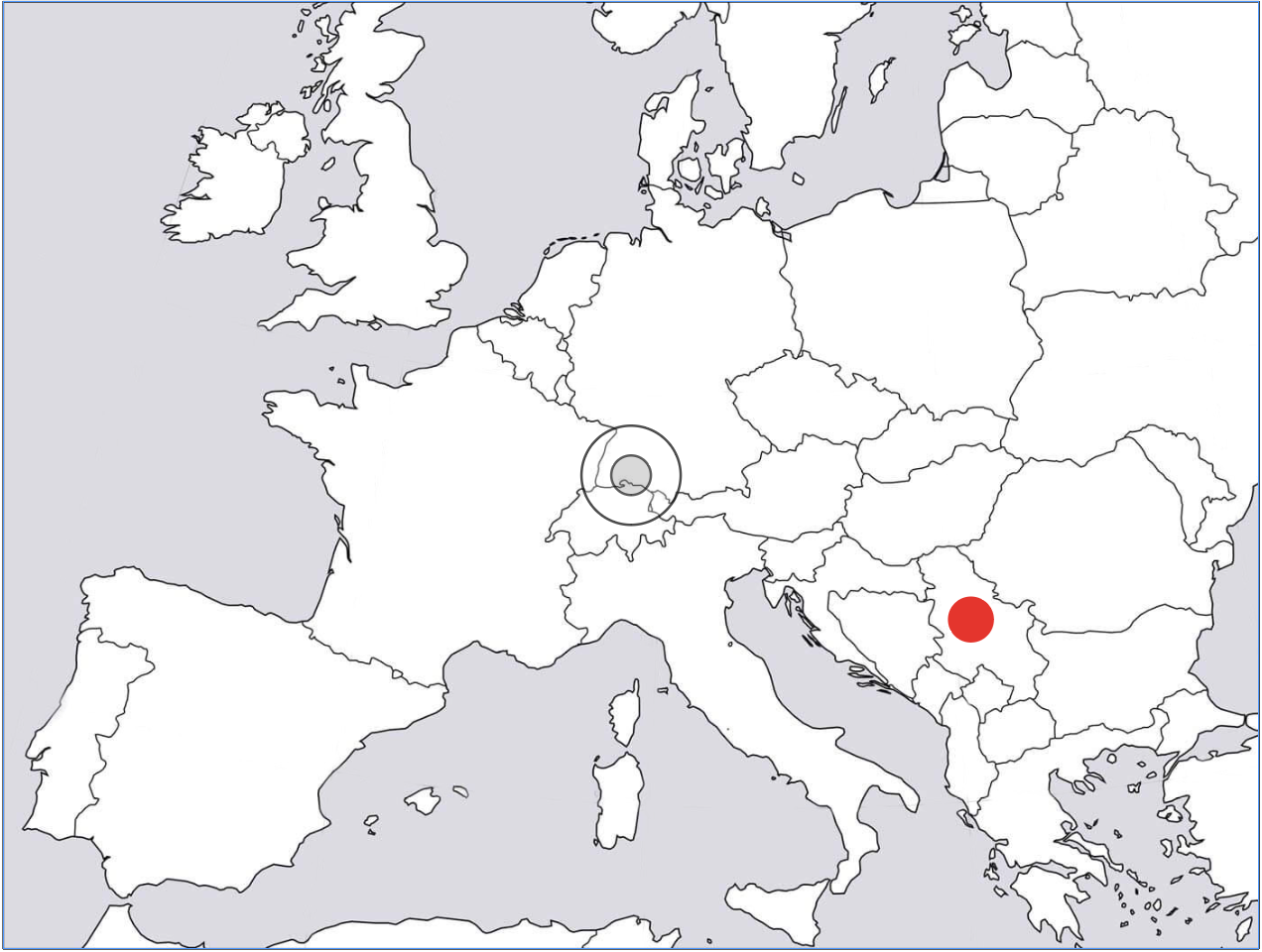
Additional Informations about Čačak:
© www.freeworldmaps.net
Čačak is a mid-sized city in central Serbia, situated in the valley of the Western Morava River at the foot of the Ovčar and Kablar mountains. The area has been settled since the Neolithic period, and Roman remains including the ruins of a thermae are visible in the city centre today. The city was founded in its medieval form by Prince Stracimir and developed through the Ottoman and Serbian imperial periods into a regional centre of commerce, education, and administration. In the nineteenth century, as the modern Serbian state consolidated, Čačak grew rapidly and established a number of civic and cultural institutions. The painter Nadežda Petrović was born here in 1873. She studied in Munich and Paris and produced a body of work spanning symbolism, impressionism, fauvism and especially, expressionism that is considered foundational to modern Serbian painting. She is also remembered for her social and humanitarian activism and for her work as a wartime nurse, during which she died of typhus in 1915.
The Art Gallery "Nadežda Petrović," founded in 1961 and located in a building from 1911 originally constructed as a Women's Workers' School, is named in her honour and holds a collection of nearly 1,800 works of contemporary artistic production (paintings, sculptures, videos, public space installations) . Its biennial Nadežda Petrović Memorial, established in 1960, has grown into one of the more significant contemporary art exhibitions in Serbia and has brought international attention to the city. The gallery has also been the site of repeated tensions between artistic practice and public reception: several works exhibited in public space as part of the Memorial have been vandalised, removed, or censored following complaints from residents or orders from the municipal inspectorate. These incidents raise questions that this project addresses directly: whether public art can function as a diagnostic of social tensions and ideological divisions, and whether cultural institutions are able to protect artistic expression from external pressure or remain permeable to populist sentiment and civic outrage.
– by Vero Róza Risnovska