
- Download Issue 65 (US Letter, 7,8 mb) Buy as Book on Demand here (US) and here (DE)

5 – Ljubljana
Slovenia
MGML—Galerijia Vžigalica /
Match Gallery
Inauguration: April 15, 2025
Additional Informations about Ljubljana

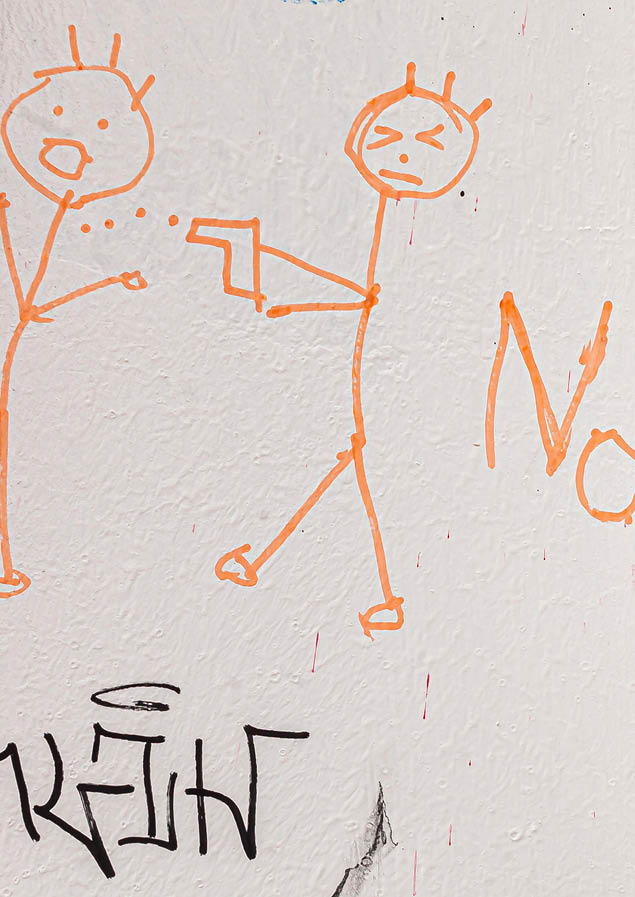

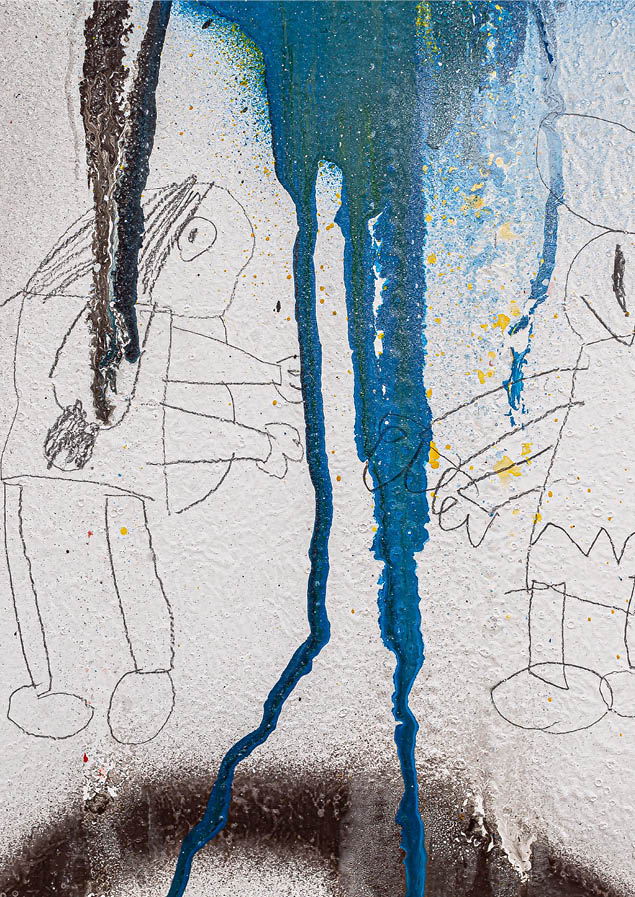

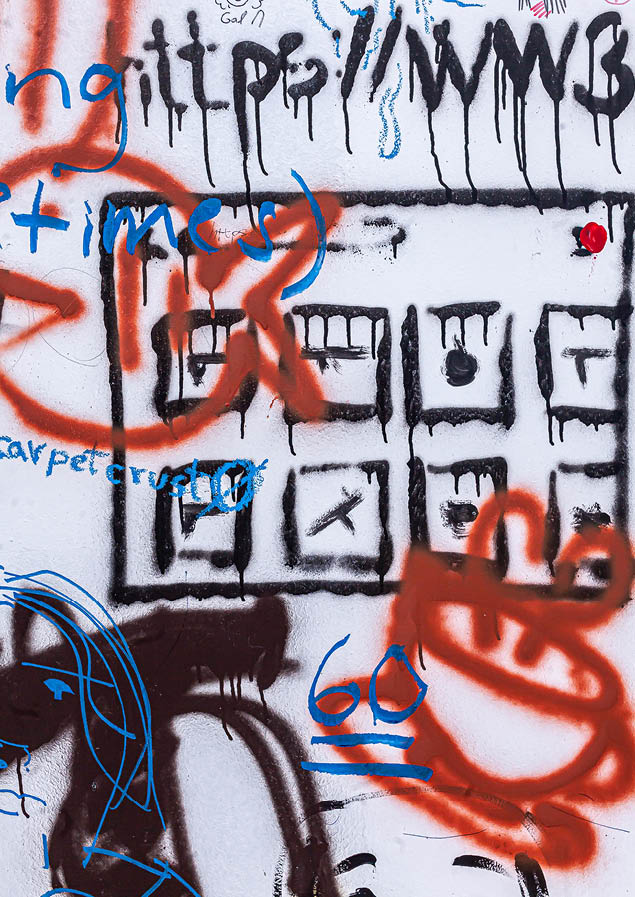

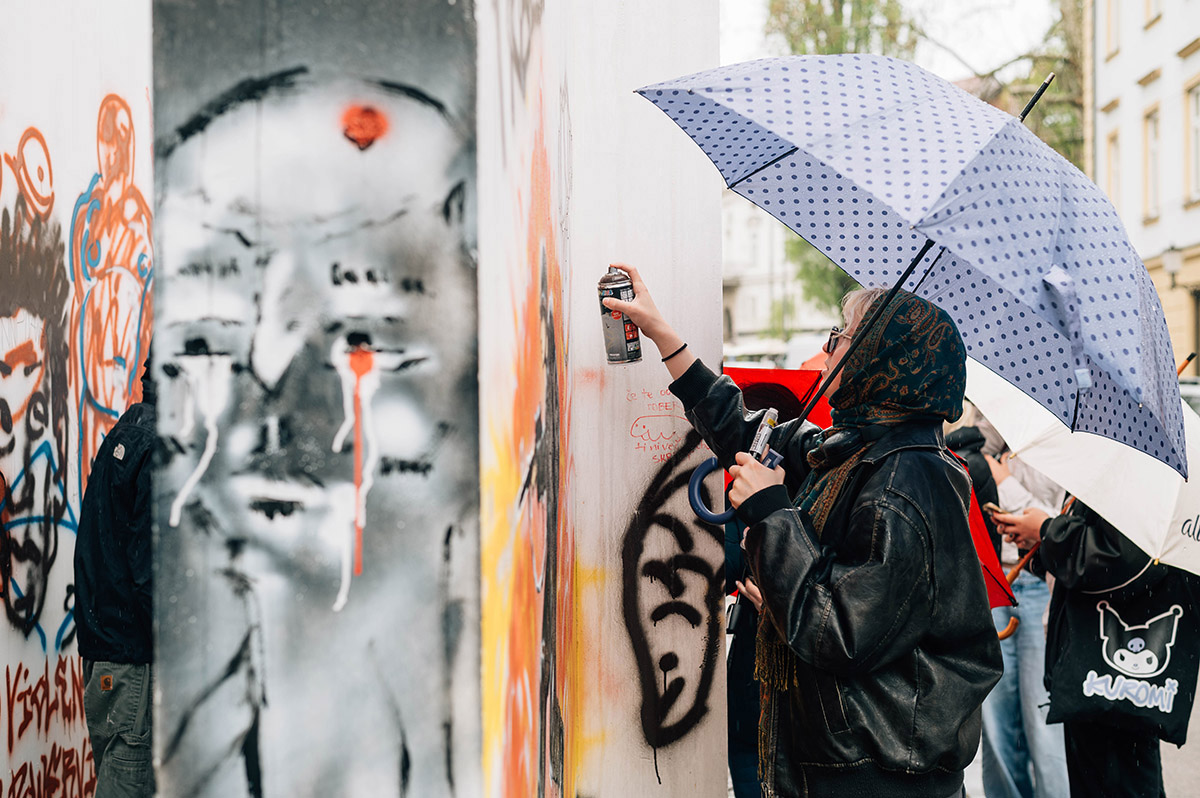
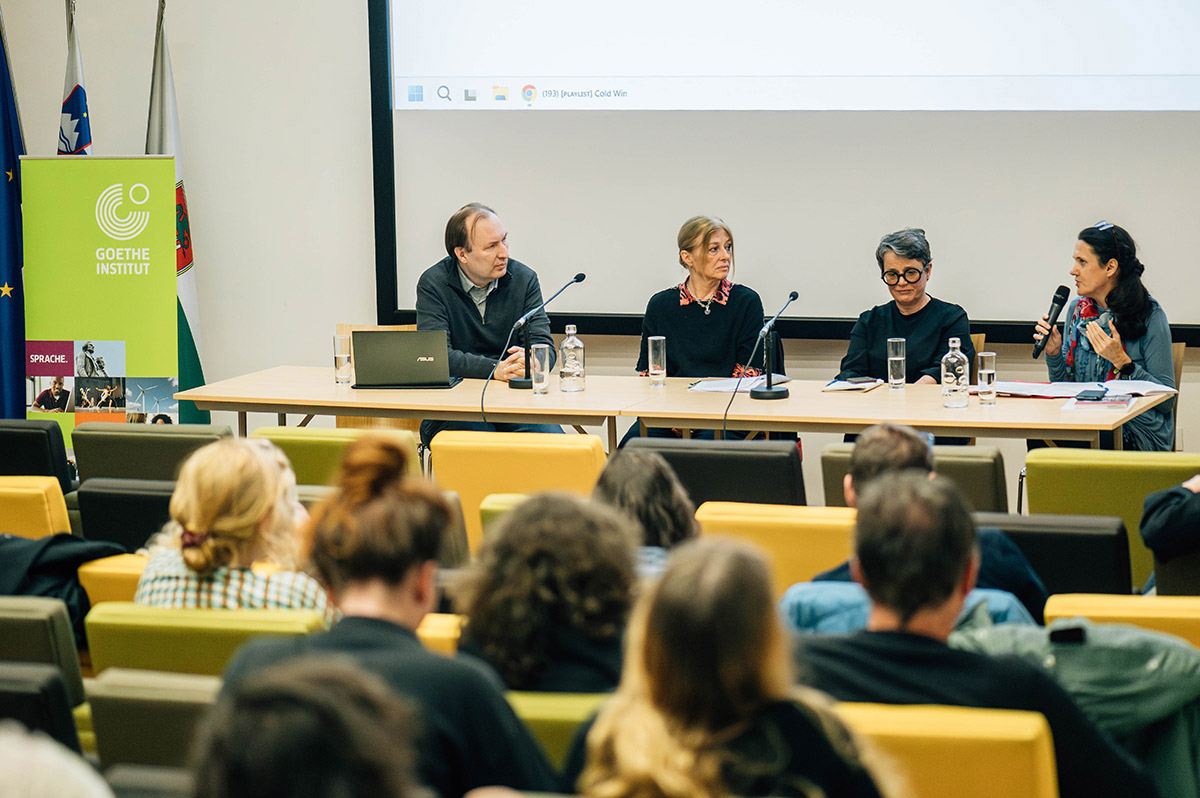
Panel discussion “The Politics and Ethics of Participation”, April 15, 2025 , with Eda Čufer, Mojca Puncer, Apolonija Šušteršič, and Zoran Erić
Panel discussion: The Politics and Ethics of Participation
This panel discussion will explore ongoing theoretical debates concerning the role of participation in contemporary artistic practices, particularly in public spaces. Drawing on Claire Bishop’s definition of participation, where people themselves become the central artistic medium and material, the discussion will delve into the theoretical foundations and further critical reflections on this approach. Her arguments, informed by the theory of radical democracy, advocate for resistant and antagonistic art practices that challenge co-dependency and conviviality. In contrast, Shannon Jackson’s Social Work offers a critique of the oppositions and tensions traditionally associated with participatory art. Jackson advocates for a more "eclectic," nuanced, and open-ended approach to social engagement and the aesthetic integrity of participatory art. Unlike Bishop, Jackson does not prioritize creative agency, a focus that could undermine the complexity of the social and institutional contexts in which participatory art is embedded.
Following this seminal debate on participatory art, recent theories have opened up new avenues for interpretation, placing strong emphasis on community engagement, collaborative practices, and the co-creation of works by artists and publics. As suggested by Michele Bonazzi, these processes empower engaged participants, transforming them from passive consumers into active co-authors of collective experiences. Another perspective, as articulated by Thomas Munley, emphasizes the importance of the concept of care in participatory art, advocating for an approach that fosters community development.
An additional relevant issue to be highlighted is the ethical dimension of participatory art, which often engages with the “sore points” of society. From this, a key question arises: can aesthetics be interconnected with the concept of participation? Is there such a thing as a participatory aesthetic? The lingering question remains: does participatory art hold transformative potential? If so, what conditions must be met for this potential to be realized?
In addition to these theoretical frameworks and questions, we will analyze another position: that of the artist as a catalyst and mediator, who sets up a "stage" for open-ended participation. This approach envisions a kind of tabula rasa an unfiltered space, free from guiding principles or imposed limits allowing participants to express themselves on blank walls in public spaces. While these walls may symbolically reference the institutional framework of the museum, they are perceived by the public as empty signifiers, not necessarily bound to institutional contexts or critique. The question that emerges here is whether such participatory art practices in public spaces are merely temporary and ephemeral channels for expression or whether they reflect a truly uncontrolled, decolonized public space.
– by Zoran Erić
Additional Informations about Ljubljana:
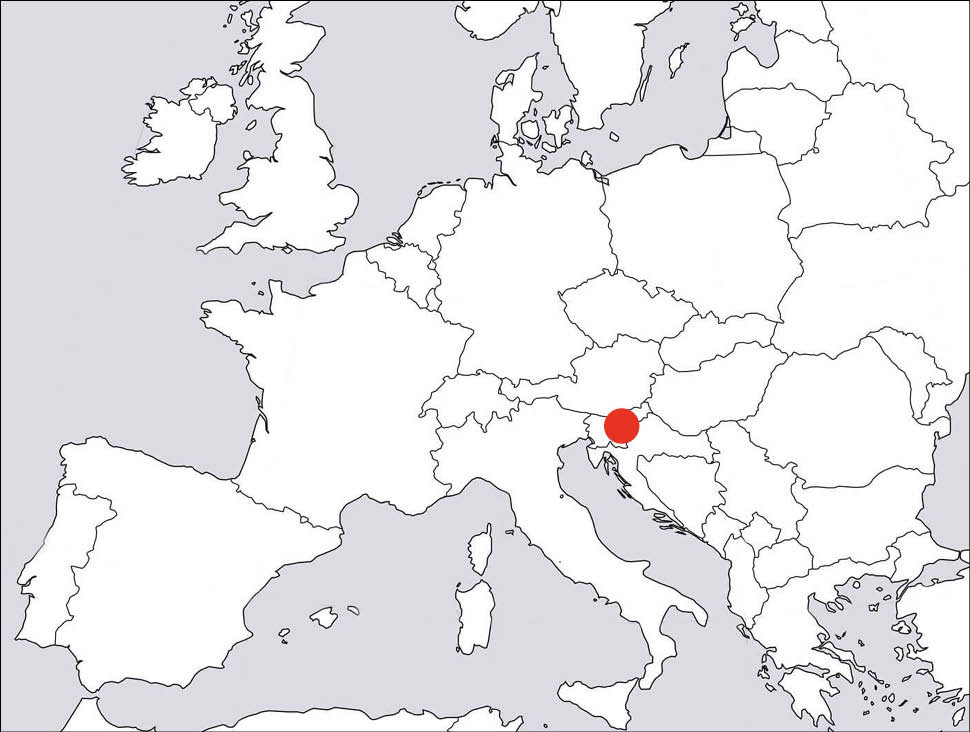
© www.freeworldmaps.net
Ljubljana is the capital of Slovenia and has been the administrative, economic, and cultural centre of the Slovenian-speaking territory since the early modern period. The city developed under Habsburg rule as a provincial capital with Baroque and later neoclassical architecture, a university, and a network of cultural and scientific societies. In the early twentieth century the architect Jože Plečnik undertook a decades-long programme of urban redesign that gave the city much of its current appearance, including the Triple Bridge, the covered market along the Ljubljanica River, the National and University Library, and the design of public spaces and smaller architectural interventions throughout the old town. This body of work has been inscribed on the UNESCO World Heritage List. Slovenia declared independence from Yugoslavia in 1991 and joined the European Union and Eurozone in 2004 and 2007 respectively, achieving relatively rapid economic integration and political stabilisation compared to other post-Yugoslav states.
Ljubljana has a well-developed network of cultural institutions for a city of its size. The National Gallery of Slovenia holds the country's principal collection of painting from the medieval period through the early twentieth century, including the Slovenian Impressionists. The Museum of Contemporary Art Metelkova (MSUM), opened in 2011 in a converted military barracks complex that also houses the autonomous cultural zone of Metelkova Mesto, represents the leading edge of the city's engagement with international contemporary art. The Museum and Galleries of Ljubljana (MGML), which manages the Gallery Vžigalica where this project is hosted, operates as a network of city-run spaces with a programme oriented toward contemporary social questions. Ljubljana also has a notable history of avant-garde and politically engaged artistic practice, from the Neue Slowenische Kunst movement of the 1980s onward, which gives the theoretical debates around participation and public art that this project engages a particular local grounding.
.– by Vero Róza Risnovska