
- Download Issue 65 (US Letter, 7,8 mb) Buy as Book on Demand here (US) and here (DE)

2 – Bucharest
Romania
The National Museum of the Romanian Peasant
Inauguration: August 27, 2024
Additional Informations about Bucharest
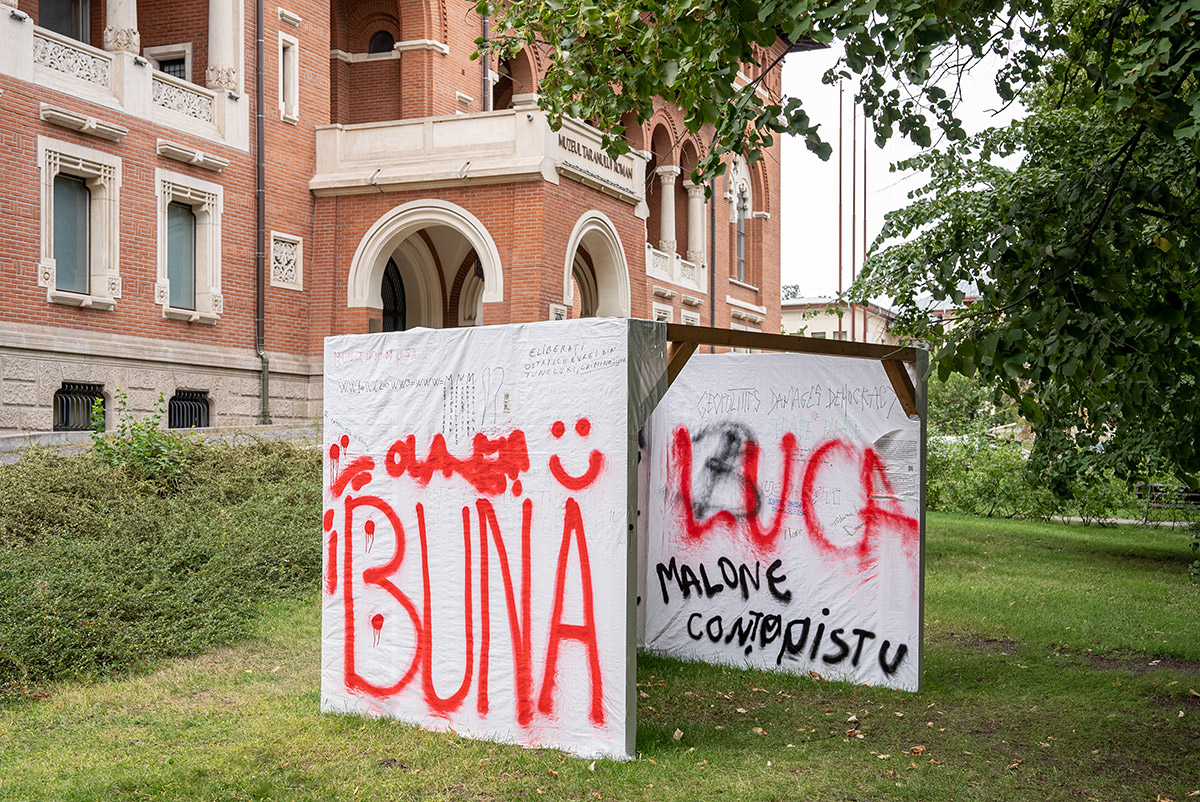
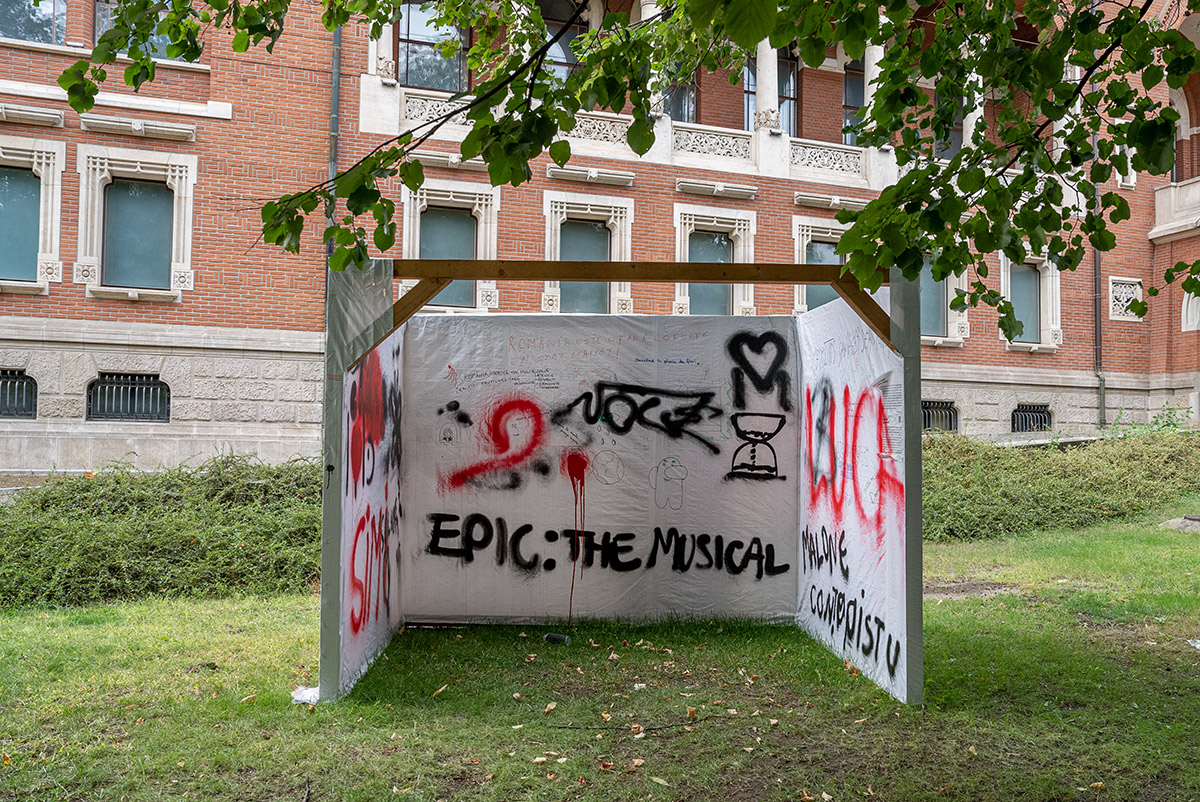
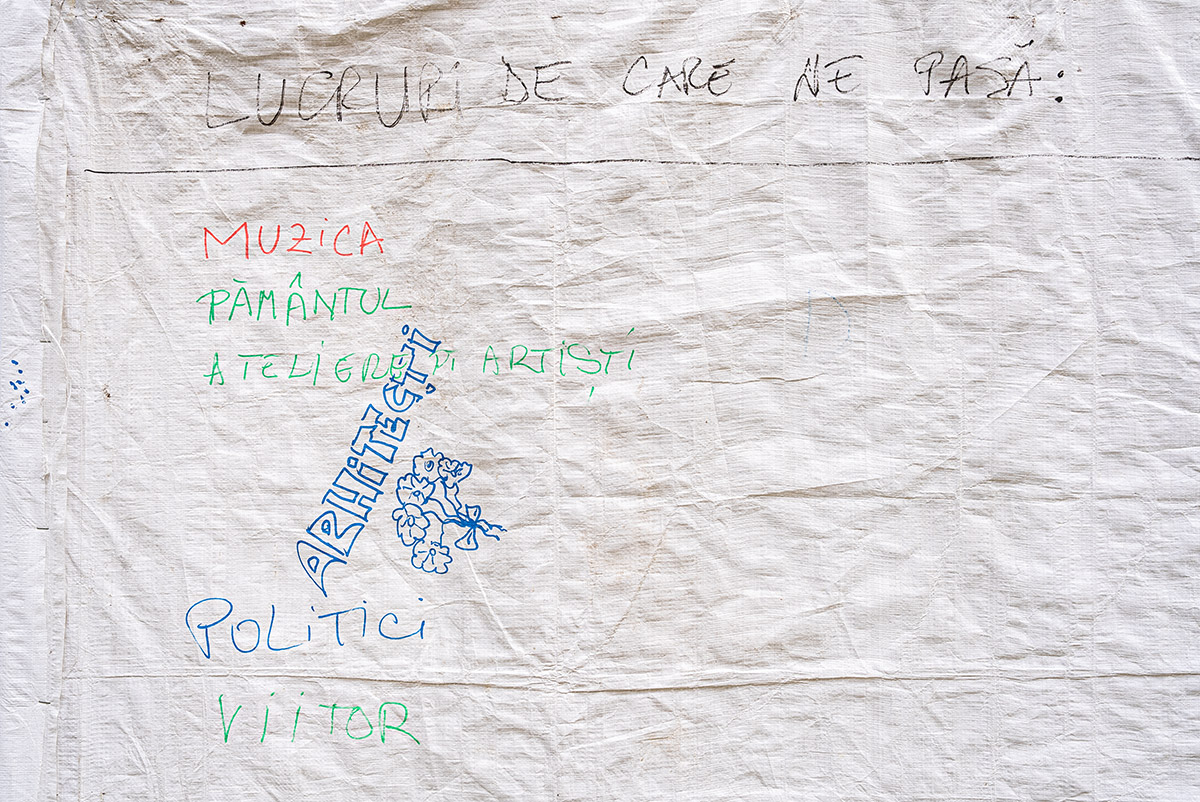
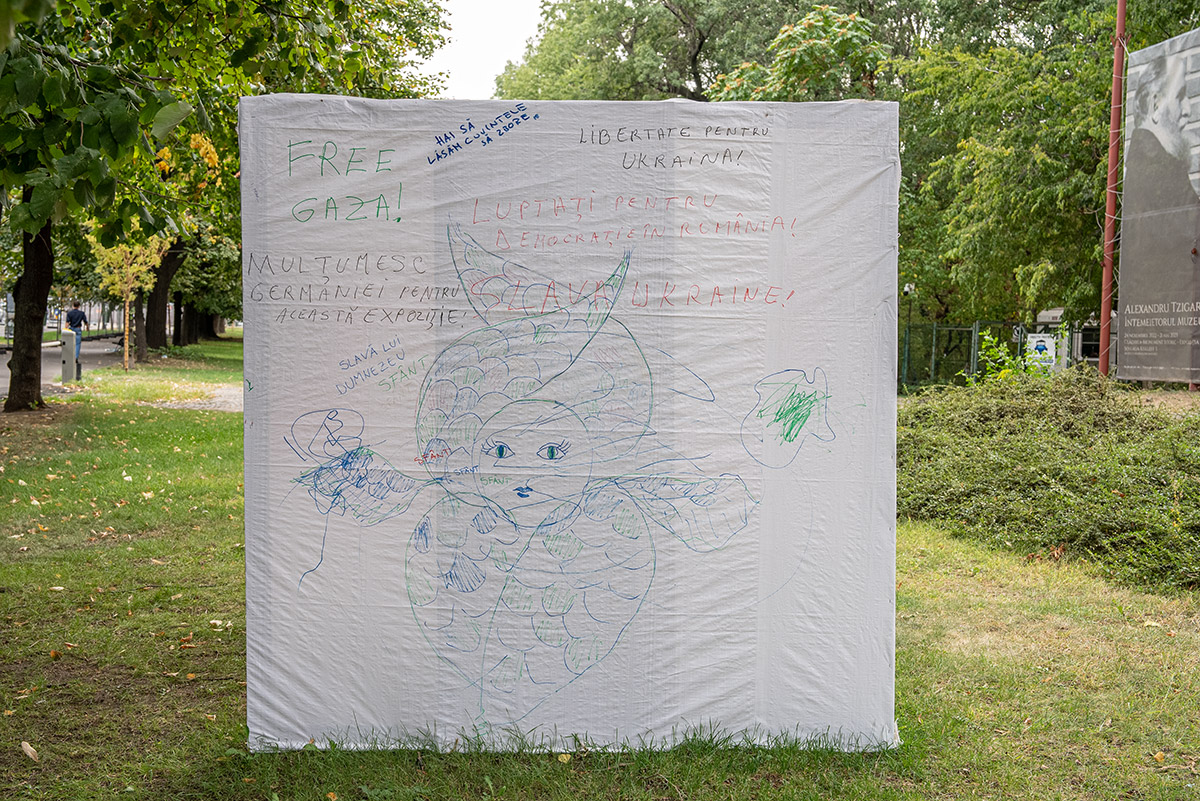
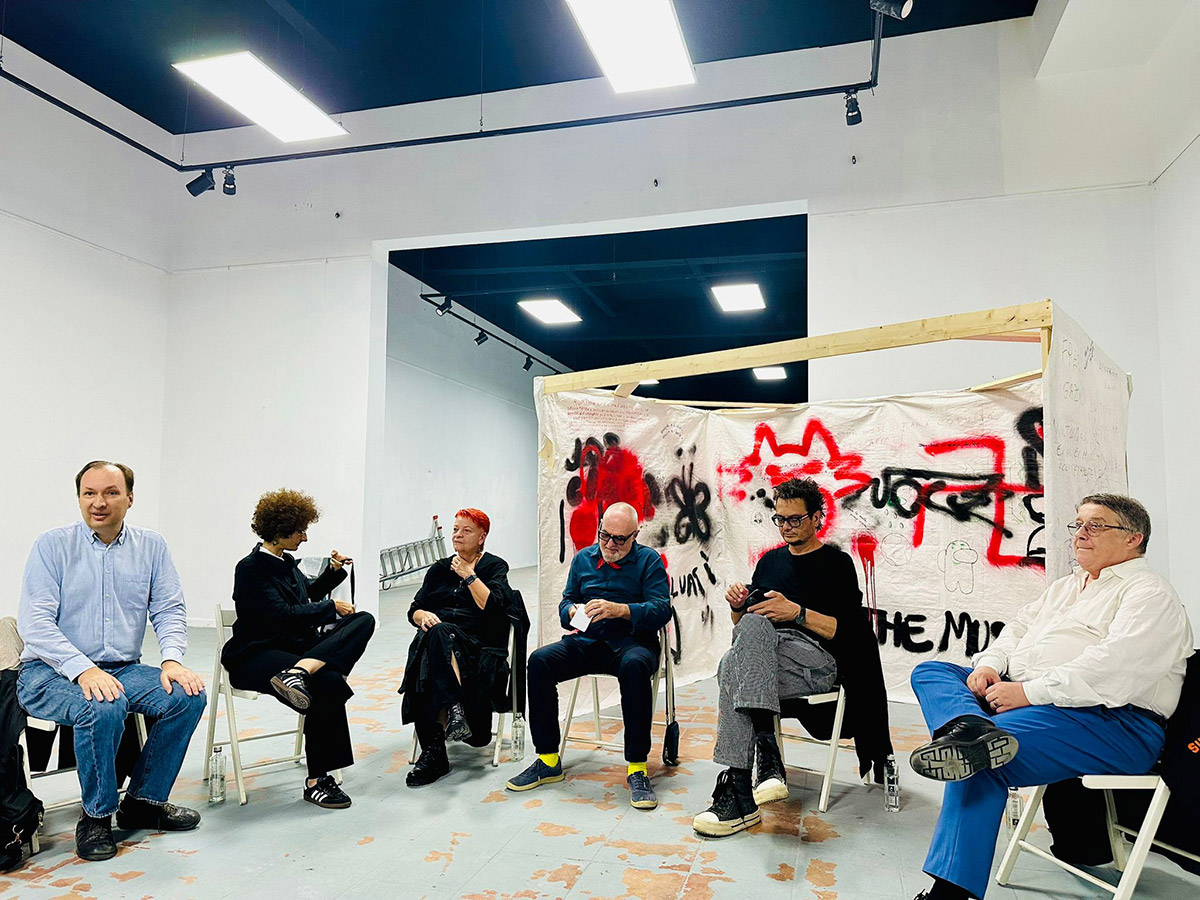
Panel discussion "Interactive Art in Public Space – The Limits of Participation", September 14, 2024, with Virgil Ștefan Nițulescu, Ruxandra Demetrescu, Călin Dan, Alina Șerban, Horea Avram, and Zoran Erić.
Panel discussion: Interactive Art in Public Space – The Limits of Participation
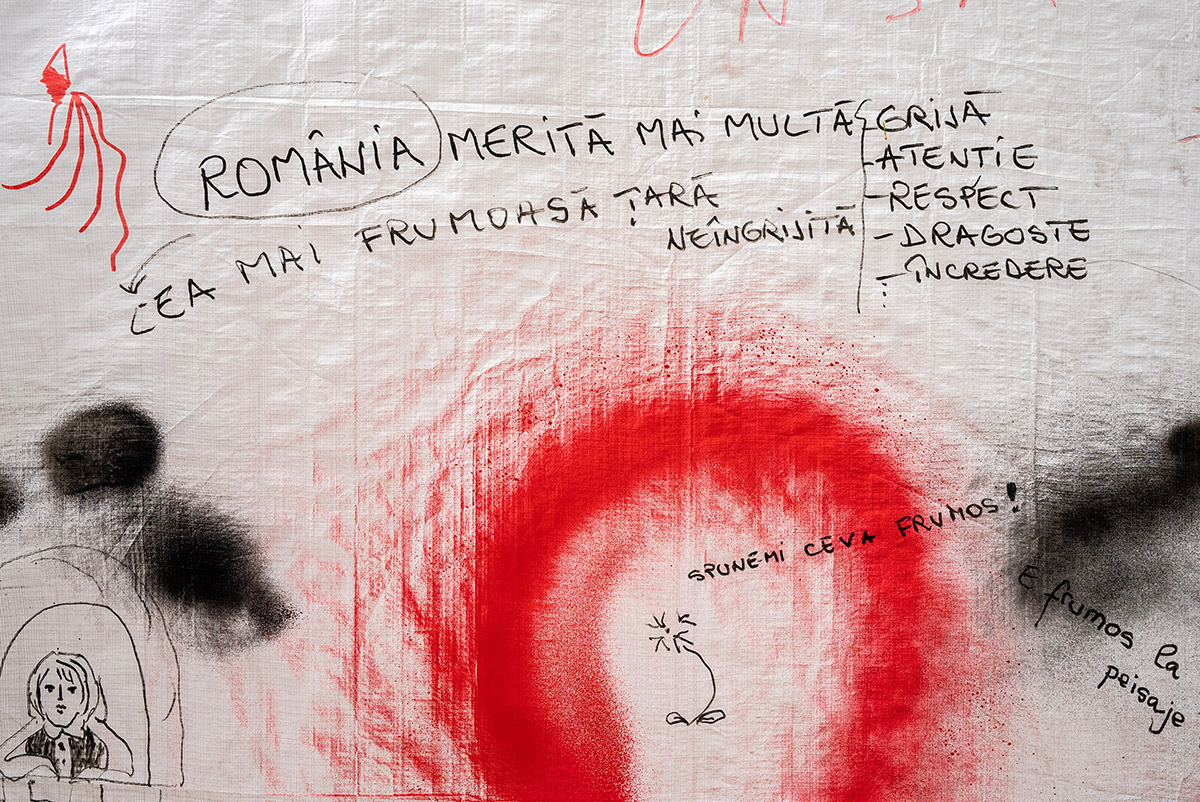
The panel discussion will tackle the current theoretical debates on the role of interactive and participatory public art, focusing on their political and social aesthetics. Two different models will be addressed, i.e. interventional space – exploring the potential of participatory public art to reshape everyday life environments; and the commoning space, where participatory art can create shared spaces that can establish common social relations between specific social groups in the urban realm. With respect to these theoretical models, we suggest yet another position of the artist as catalyst and mediator that sets the “stage” for open-ended participation as a tabula rasa - without any filtering, guiding principles or limits imposed upon the potential users/public of the blank white walls. Even though the walls symbolically represent the institutional framework of the Museum from which they were taken and will be returned, the public can perceive them as an empty signifier, not necessarily connected to the discourse of institutional critique. Herewith, the question that will be raised is whether this kind of interactive artistic practice in public space is merely a temporary “speakers’ corner” or reflects the vox populi in the uncontrolled and decolonized public space.
Furthermore, the socio-political, urbanistic, and other contextual layers of the public response to an open and participatory initiative should be pertinent to the local context of Bucharest, where artistic actions in public space had a robust political agenda in the socialist and post-socialist periods.
Finally, an equally important question that will be considered is what are the dynamics of the interactions between the public, private, alternative, academic, institutions, and communities, as well as the publics that constitute and produce the local artworld (via Arthur Danto’s theoretical position).
– by Zoran Erić
Additional Informations about Bucharest:

© www.freeworldmaps.net
Bucharest has been the capital of Romania since the nineteenth century and is today the country's political, economic, and cultural centre. The city expanded significantly from the 1860s onward, when Romanian elites educated in France promoted a programme of urban modernisation modelled on Paris, resulting in the wide boulevards, neoclassical public buildings, and bourgeois residential architecture that still characterise parts of the city. This period of growth continued into the interwar years, one of the most prosperous in Romanian history, during which the city gained further landmarks including the Romanian Athenaeum, now a European Heritage site, and the Royal Palace, today home to the National Museum of Art. The communist period from 1947 brought major upheaval: in the 1980s, Ceaușescu ordered the demolition of large historic neighbourhoods to construct a new civic axis and the Palace of Parliament, the second largest administrative building in the world, while most of the population was housed in standardised concrete apartment blocks.
Since 1989 and Romania's accession to the European Union in 2007, Bucharest has developed a more diverse cultural scene. The National Museum of Contemporary Art (MNAC), opened in 2004 in a wing of the Palace of Parliament, and the Bucharest Biennale, established in 2005, have brought the city into wider European contemporary art networks. The National Museum of the Romanian Peasant, named European Museum of the Year in 1996, and the open-air Village Museum represent the depth of Romania's ethnographic heritage alongside this contemporary engagement. Artistic practice in public space has a long and politically charged history in Bucharest, from the socialist period through the post-1989 transition, and the interactions between public institutions, private galleries, the alternative sector, and academic communities continue to shape a lively and contested local artworld.
– by Vero Róza Risnovska