
- Download Issue 65 (US Letter, 7,8 mb) Buy as Book on Demand here (US) and here (DE)

1 – Sarajevo
Bosnia and Herzegovina
Ars Aevi Museum
of Contemporary Art
Inauguration: August 22, 2024
Additional Informations about Sarajevo
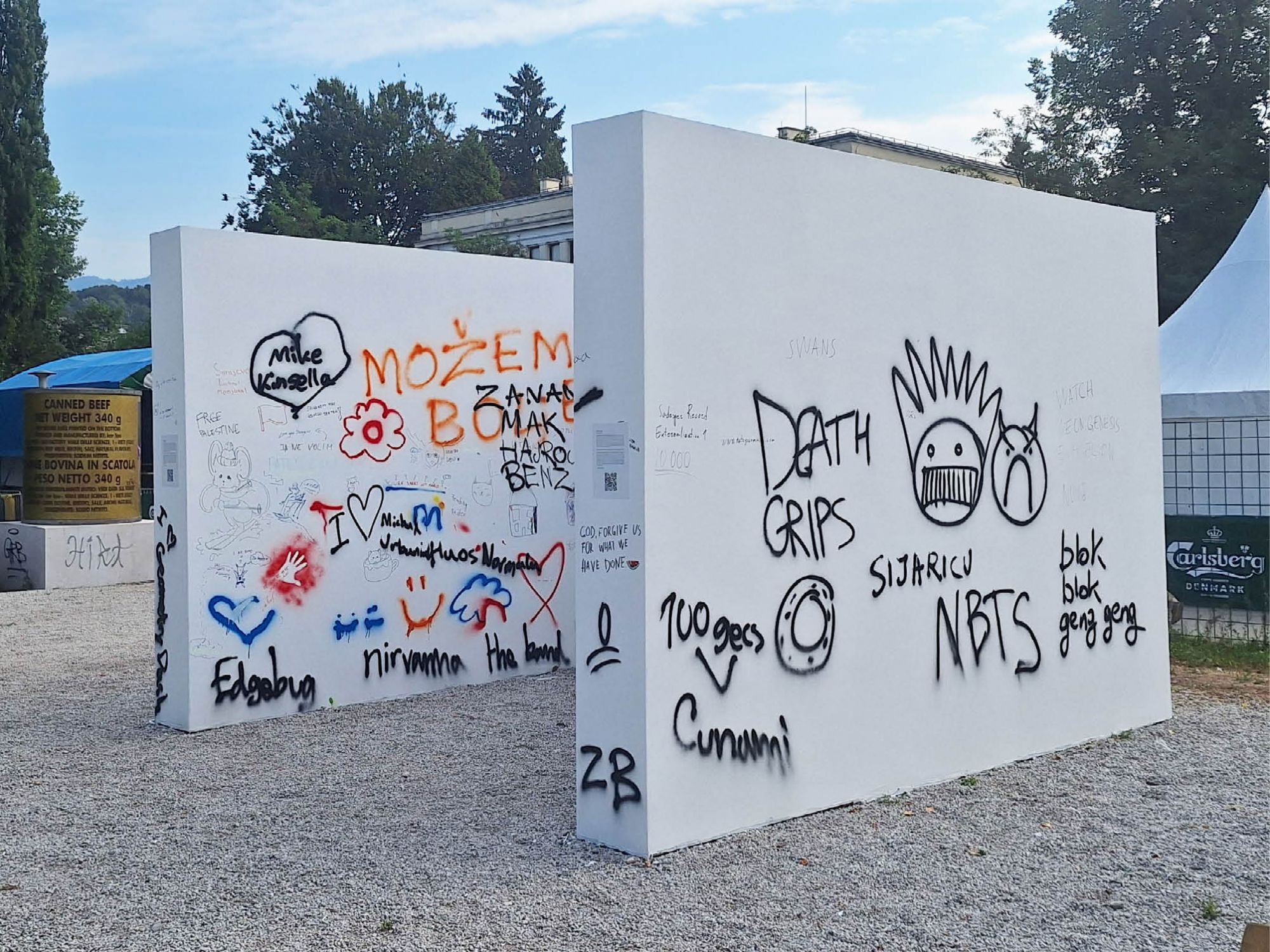
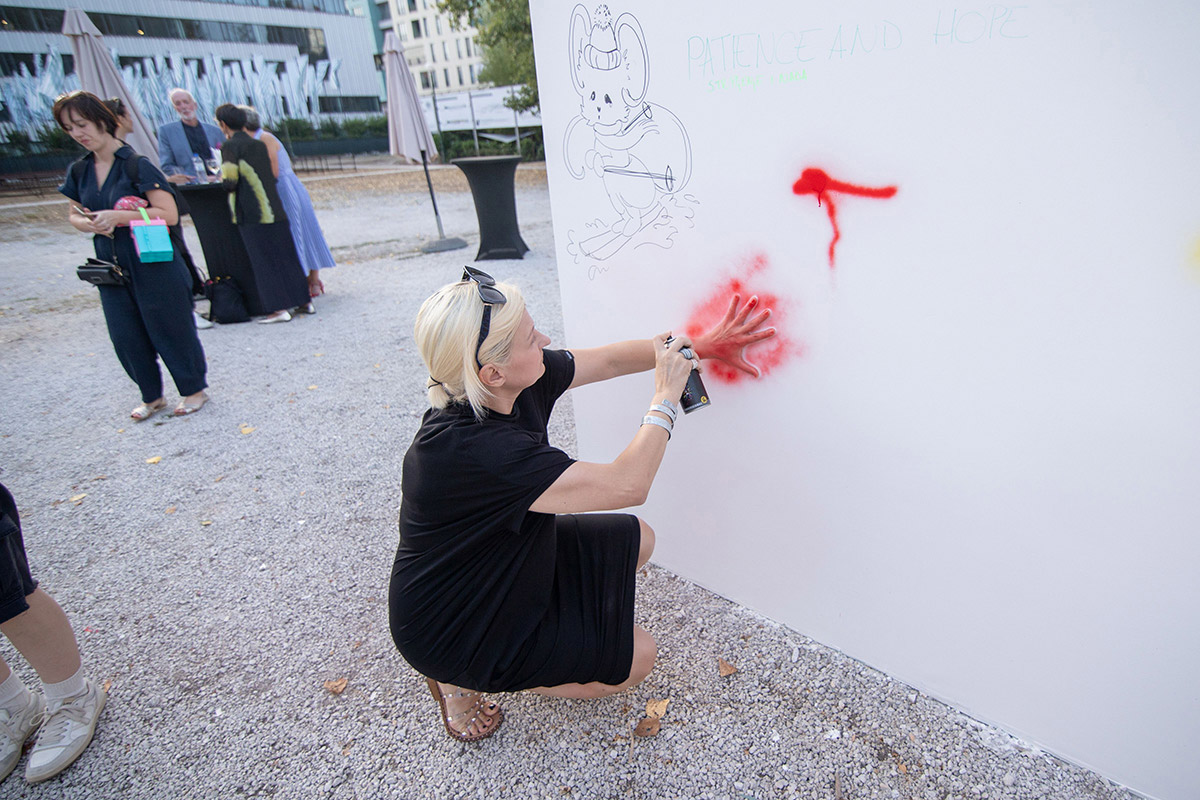
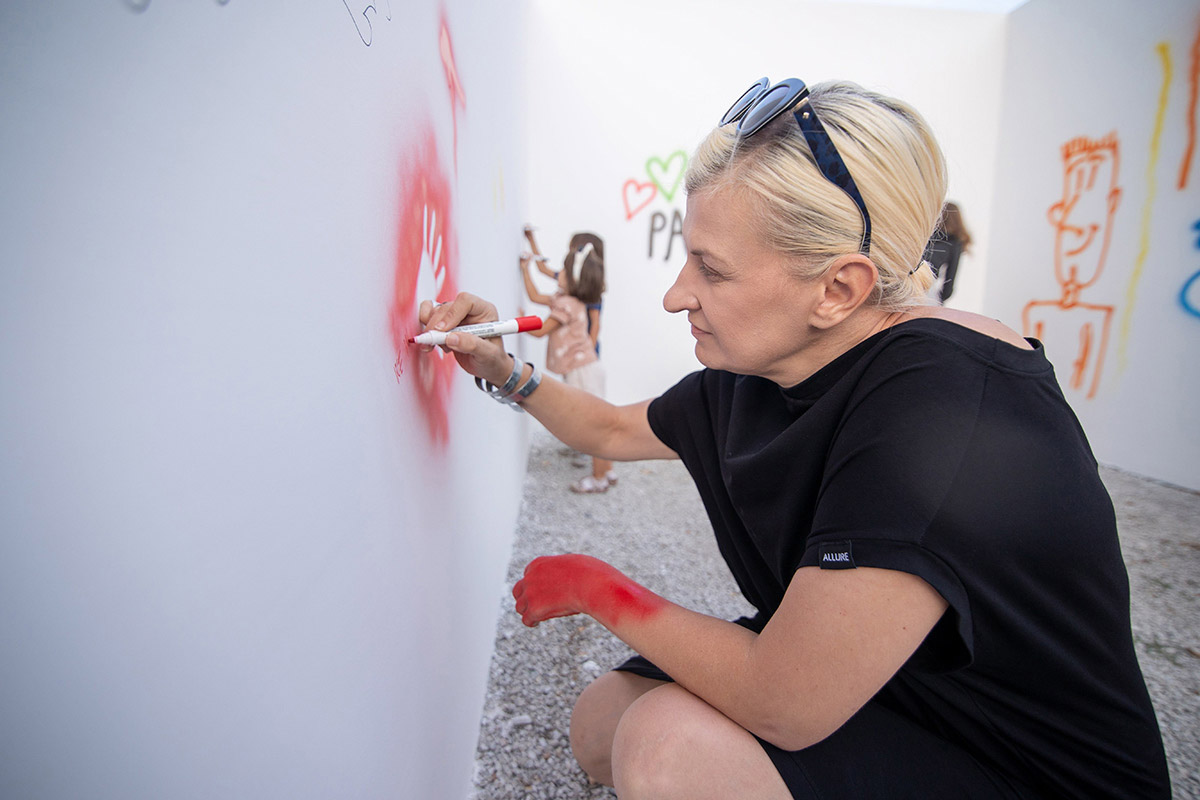
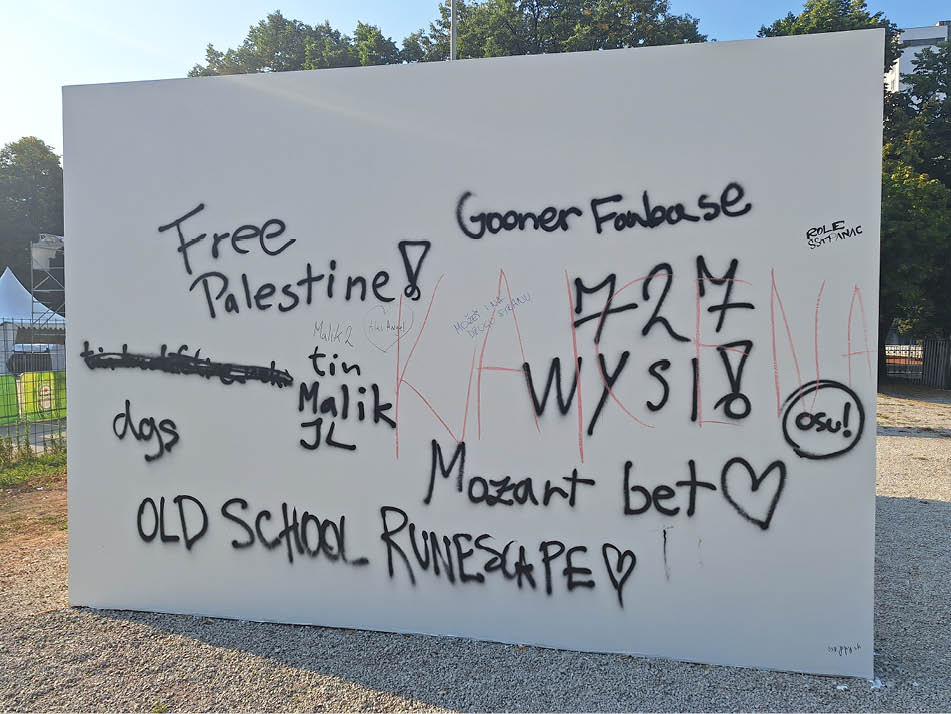
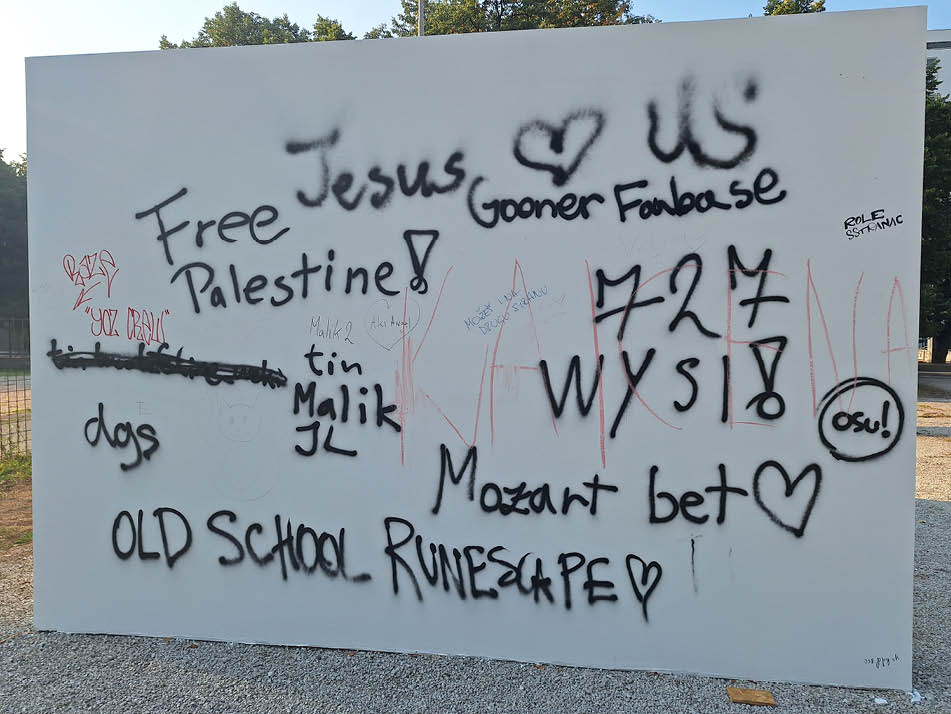
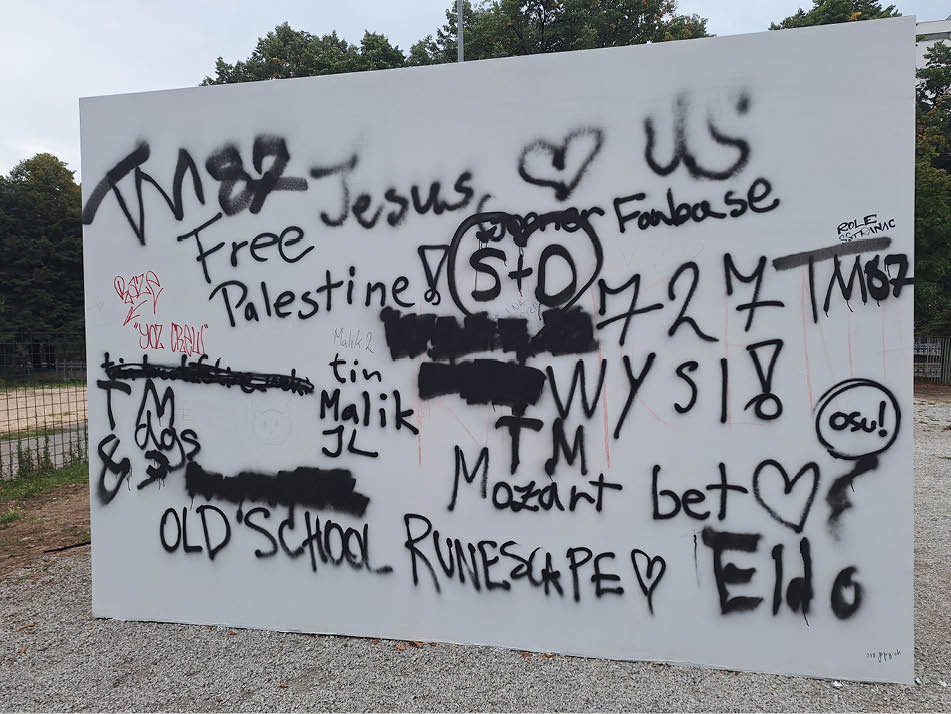
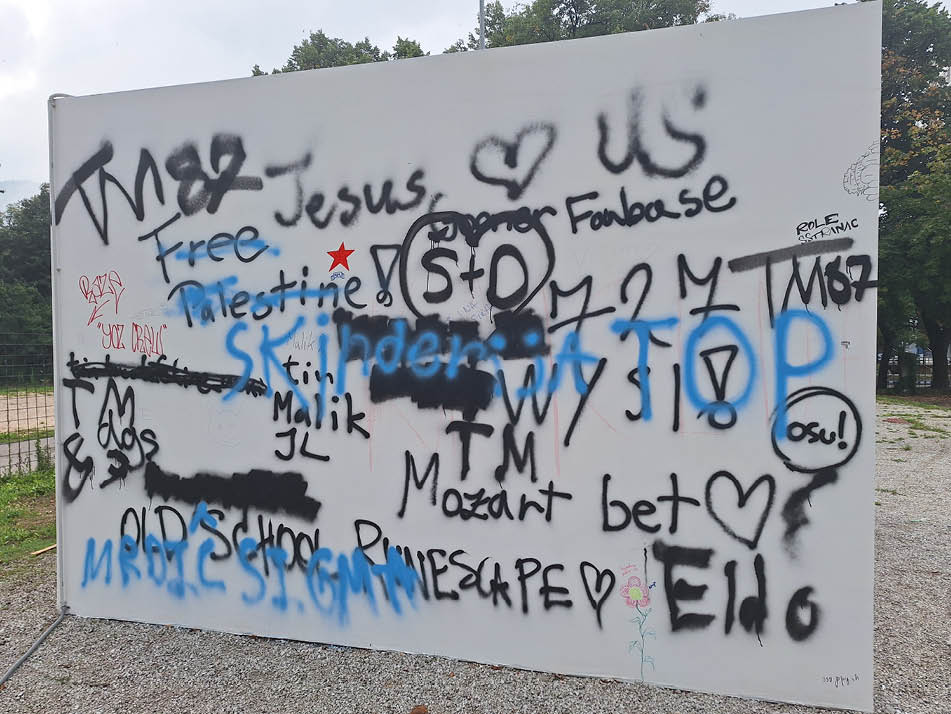
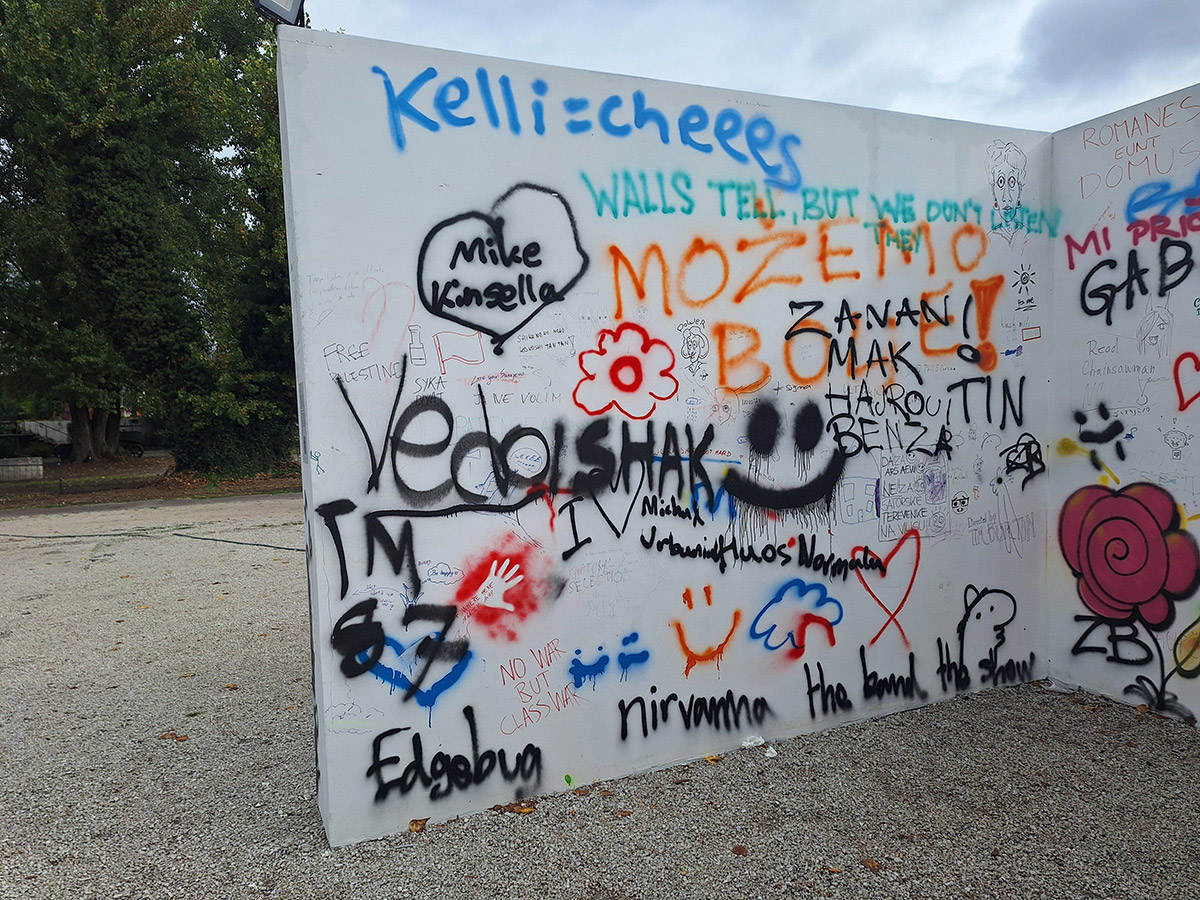
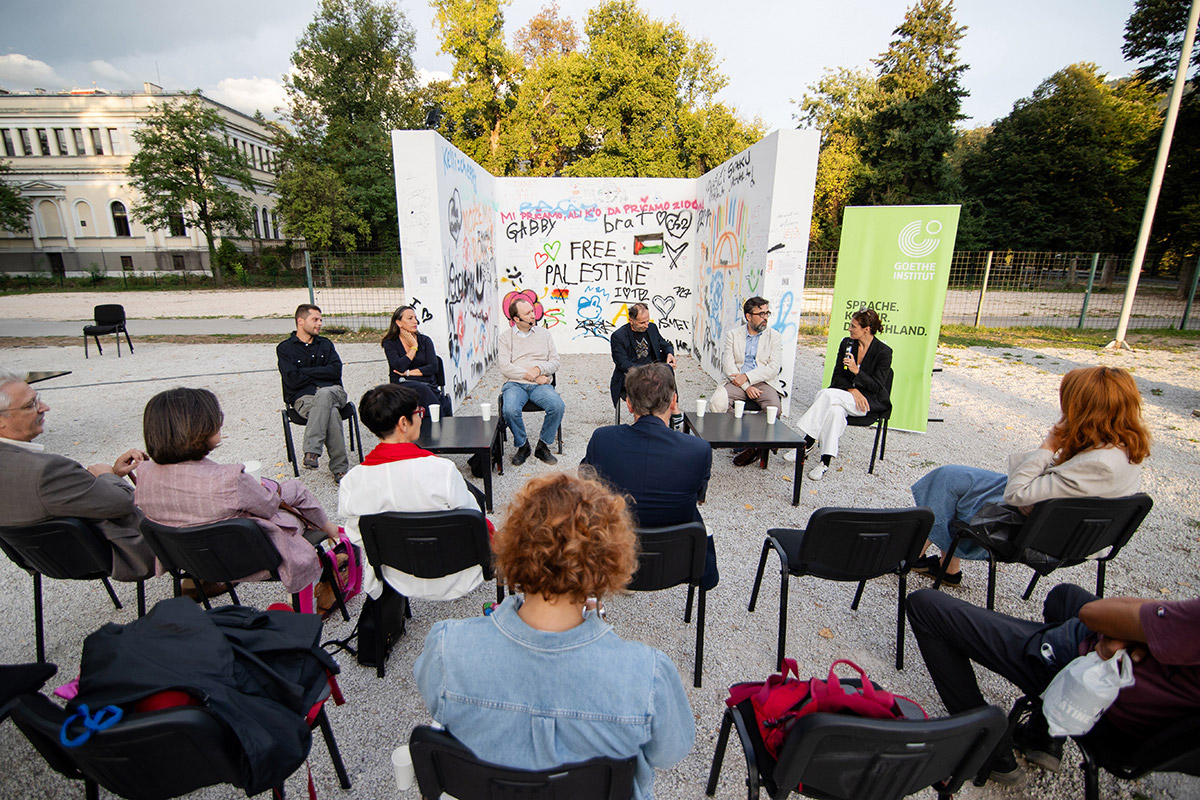
Panel discussion “The Walls that Unite – Building the Museum for the Future”, September 12, 2024 with Senka Ibrišimbegović, Elma Hašimbegović, Mirsad Sijarić, Damir Nikšić, Benjamin Čengić, and Zoran Erić.
Panel discussion: The Walls That Unite – Building the Museum for the Future
The international Ars Aevi collection, arguably one of the most comprehensive in the region, was founded as an act of solidarity of the art community with the city of Sarajevo that endured an onslaught of destruction and atrocities during the (anti)Yugoslav wars of the 1990s. The new and long-awaited building for Ars Aevi Museum of Contemporary Art, designed by architect Renzo Piano, should be the core of the Museum’s Quarter in Sarajevo that connects the past and the future with the adjacent building of the Historical Museum (former Museum of Revolution) as well as the National Museum in the vicinity.
The idea of the Museums Quarter was developed in 1948 in the urbanistic plan for ‘New Belgrade’, the capital city of Socialist Yugoslavia initially built on an unpopulated and marshland terrain that should have signified the genesis of a new country and identity with its administrative and cultural axis. The ideas of Socialist Modernism were never achieved, but in the post-WWII museology, it presents a unique example, much earlier than the realization of MuseumsQuartier in Vienna or the restructured Museumplein in Amsterdam.
Now the city of Sarajevo is facing similar challenges, with an infrastructure that should have a strong influence on the future cultural and artistic scene of the country and the region. The triangle of museums symbolically represents the transnational future, revolutionary past and the troubling national question in an ethnically and administratively polarized country.
The blank white walls - open to citizens for active expression of their feelings, thoughts, and imagination - will serve as a reference for debate on the relation the future museum wants to establish with its publics and constituents from the local communities. Particularly relevant is the question of how the local artistic scene will be incorporated into a highly profiled concept of curated segments of the collection as a model, thereby setting a guiding principle for regional and wider collaborations.
– by Zoran Erić
Additional Informations about Sarajevo:
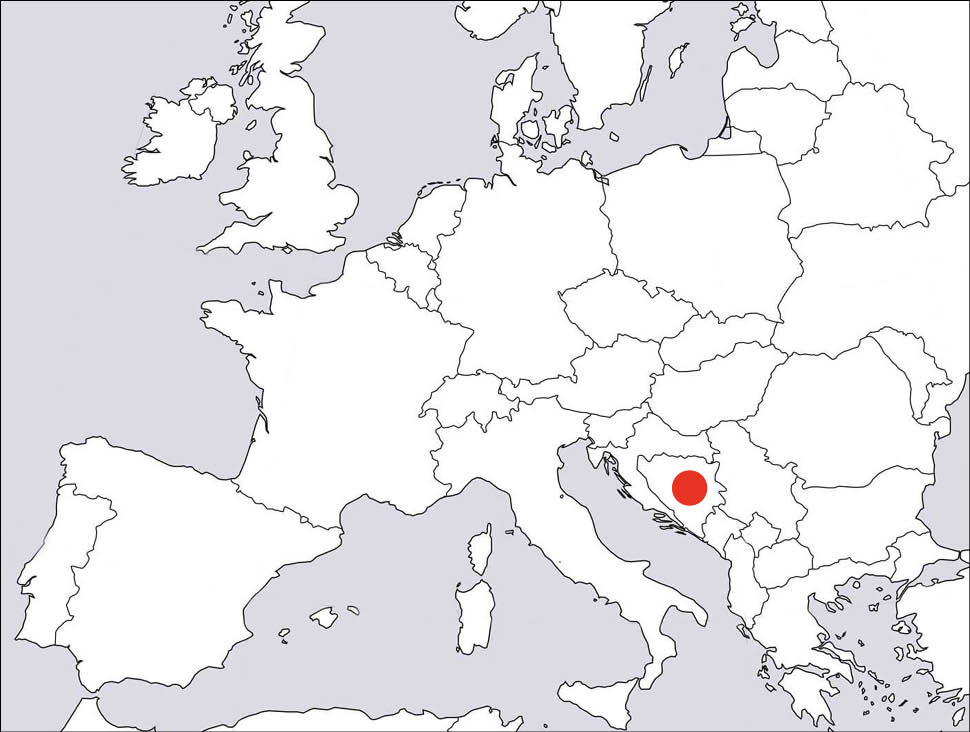
© www.freeworldmaps.net
Sarajevo, the capital of Bosnia and Herzegovina, developed from the fifteenth century onward as an Ottoman administrative and trading centre. Its Old Town, Baščaršija, remains a living record of that period, with its craftsmen's quarters, covered markets, and some of the oldest mosques in the region. Under Austro-Hungarian administration from 1878, the city was modernised and expanded, gaining tramways, public institutions, and a new urban quarter built in the European style alongside the older Ottoman core. This layering of Muslim, Orthodox, Catholic, and Jewish communities in close proximity gave Sarajevo a multicultural character that shaped its cultural life throughout the twentieth century, including the Socialist Yugoslav period when it served as a significant centre for film, theatre, and the visual arts, and hosted the 1984 Winter Olympics.
The 1992 to 1996 siege of the city during the wars following Yugoslavia's dissolution caused severe physical and cultural destruction, but also generated a wave of international solidarity. The Ars Aevi Collection of contemporary art was assembled during this period through donations from artists and institutions worldwide and is today one of the most comprehensive contemporary art collections in the region, including works by Marina Abramović, Michelangelo Pistoletto, Jannis Kounellis, and others. A new building for the Ars Aevi Museum of Contemporary Art, designed by Renzo Piano, is planned to form the core of a Museums Quarter together with the existing Historical Museum of Bosnia and Herzegovina and National Museum of Bosnia and Herzegovina. This triangle of institutions represents the broader ambition to connect the city's revolutionary past, its contested national present, and its transnational cultural future within a single urban and institutional framework.
– by Vero Róza Risnovska