
- Download Issue 65 (US Letter, 7,8 mb) Buy as Book on Demand here (US) and here (DE)

4 – Chișinău
Moldova
Center for Contemporary Art, KSA:K and PLAI Gallery
Inauguration: January 31, 2025
Additional Informations about Chișinău
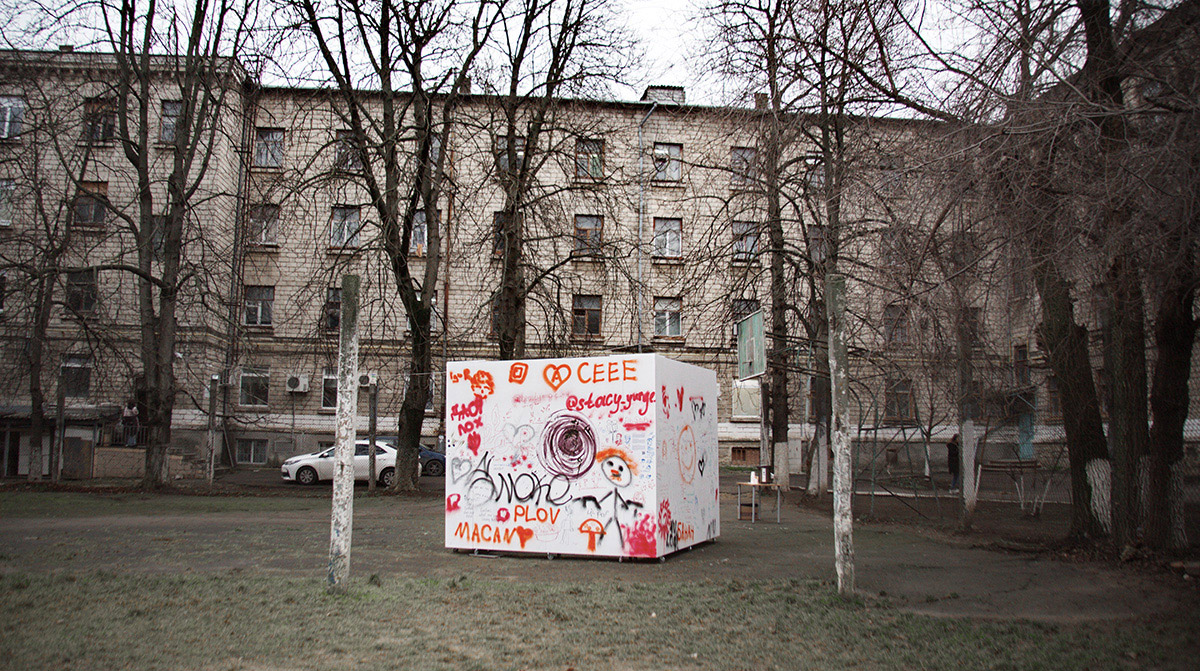
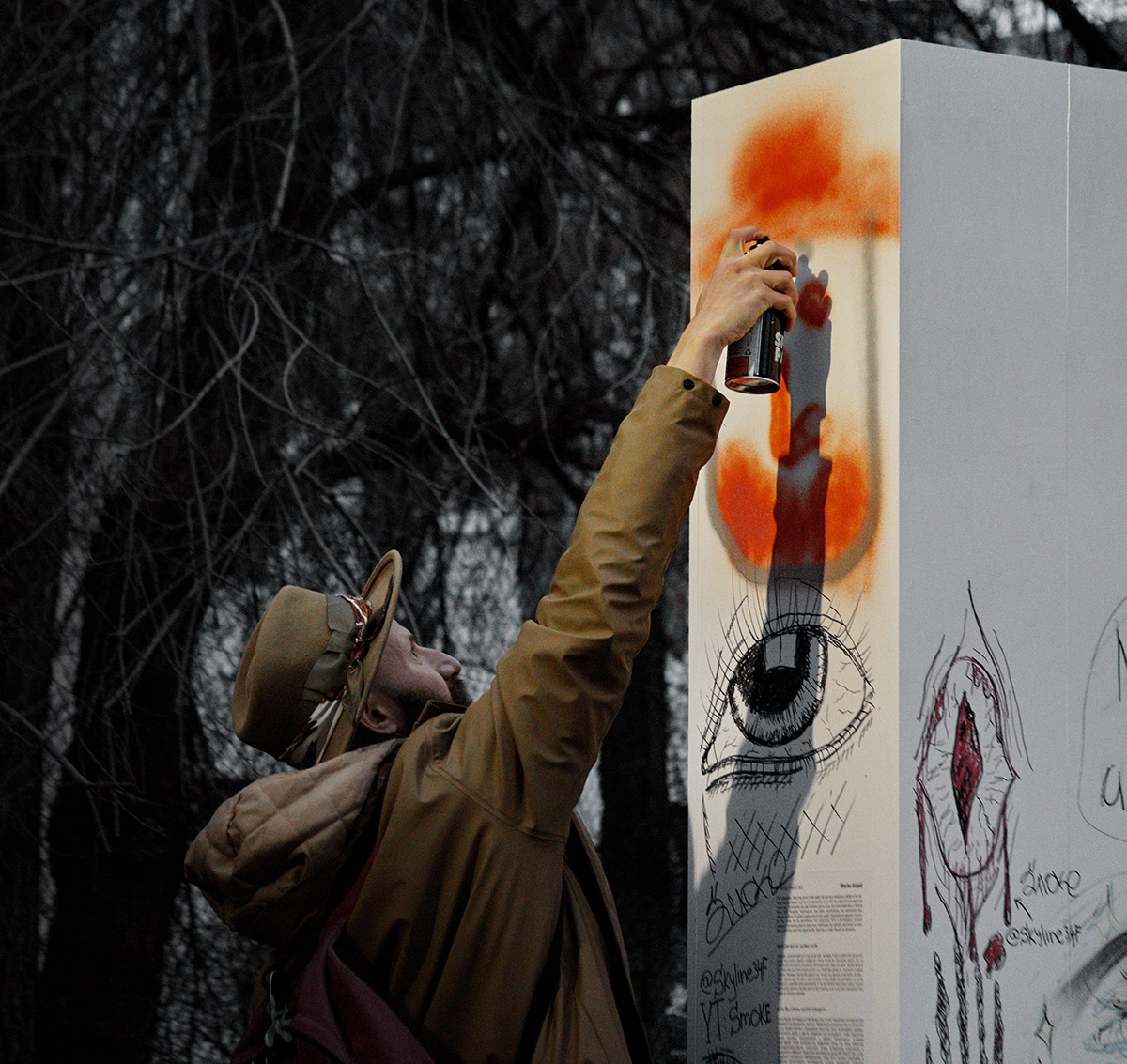
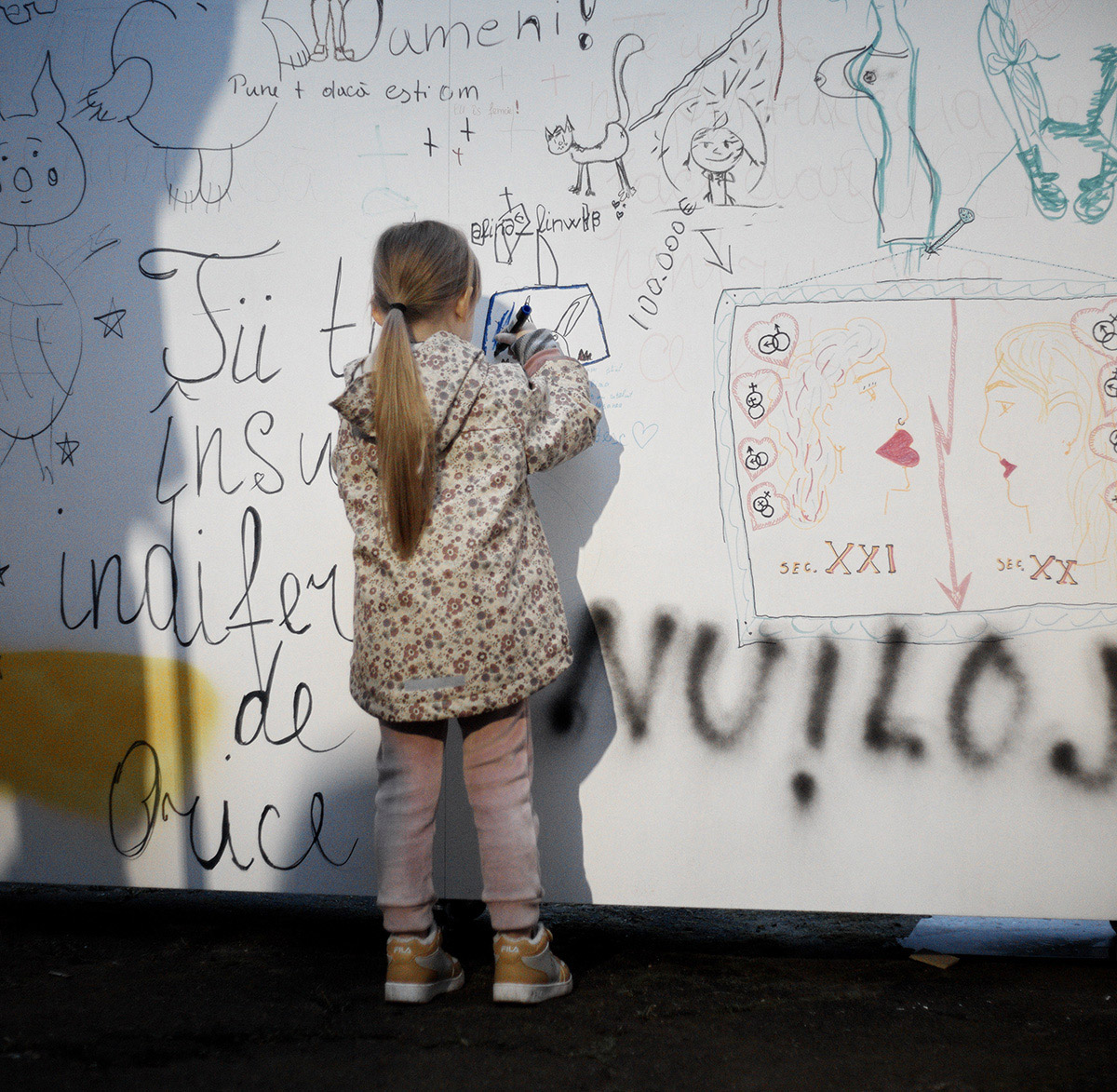
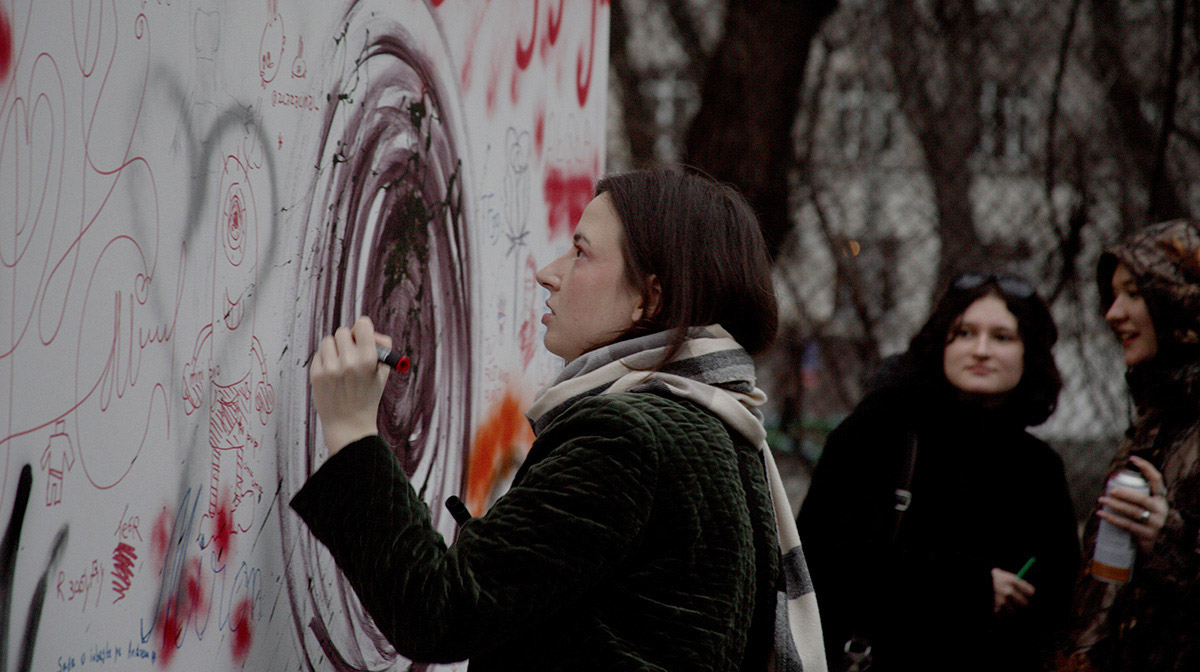
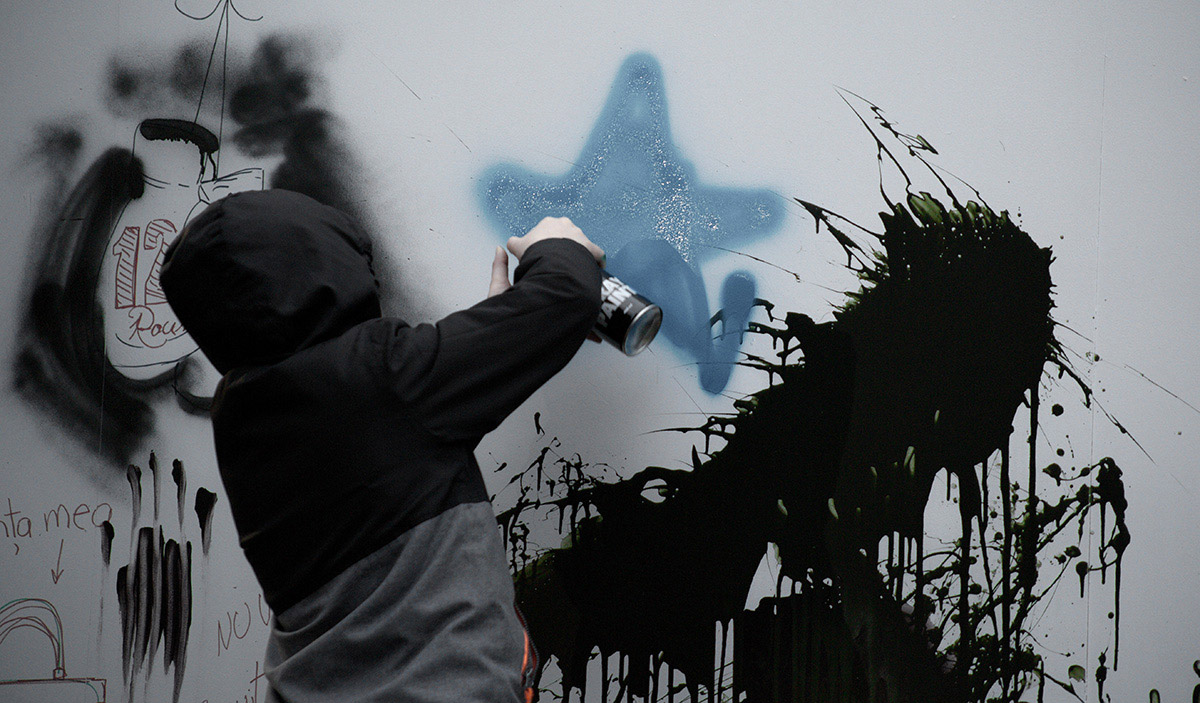
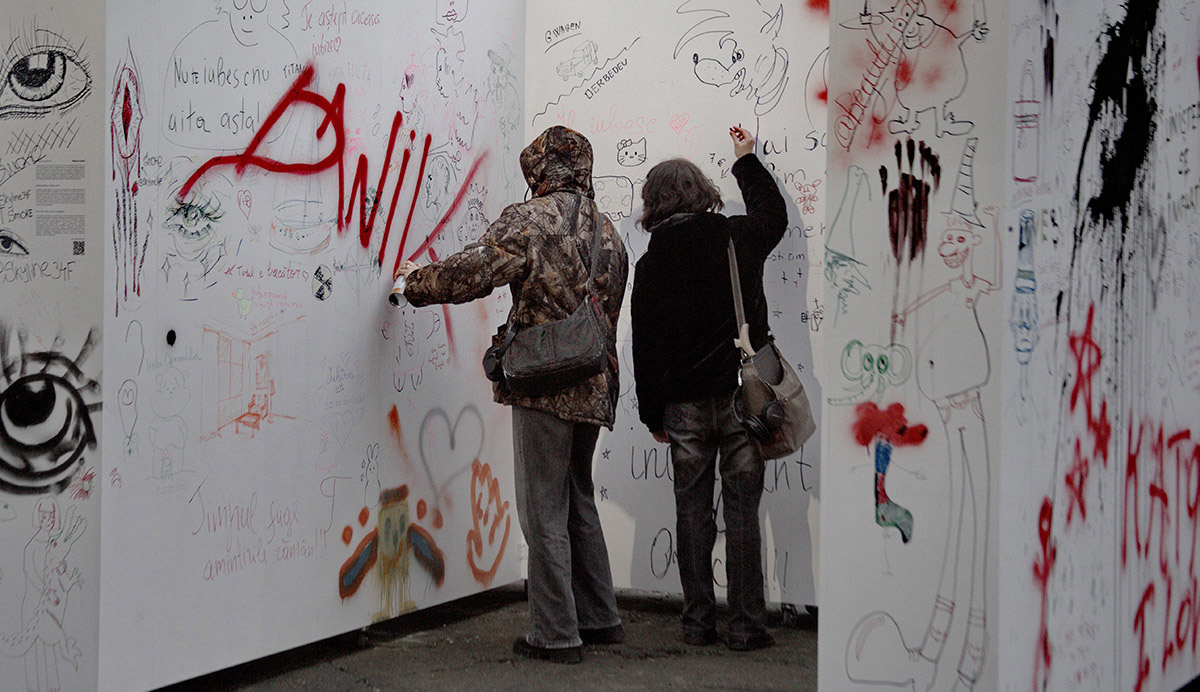
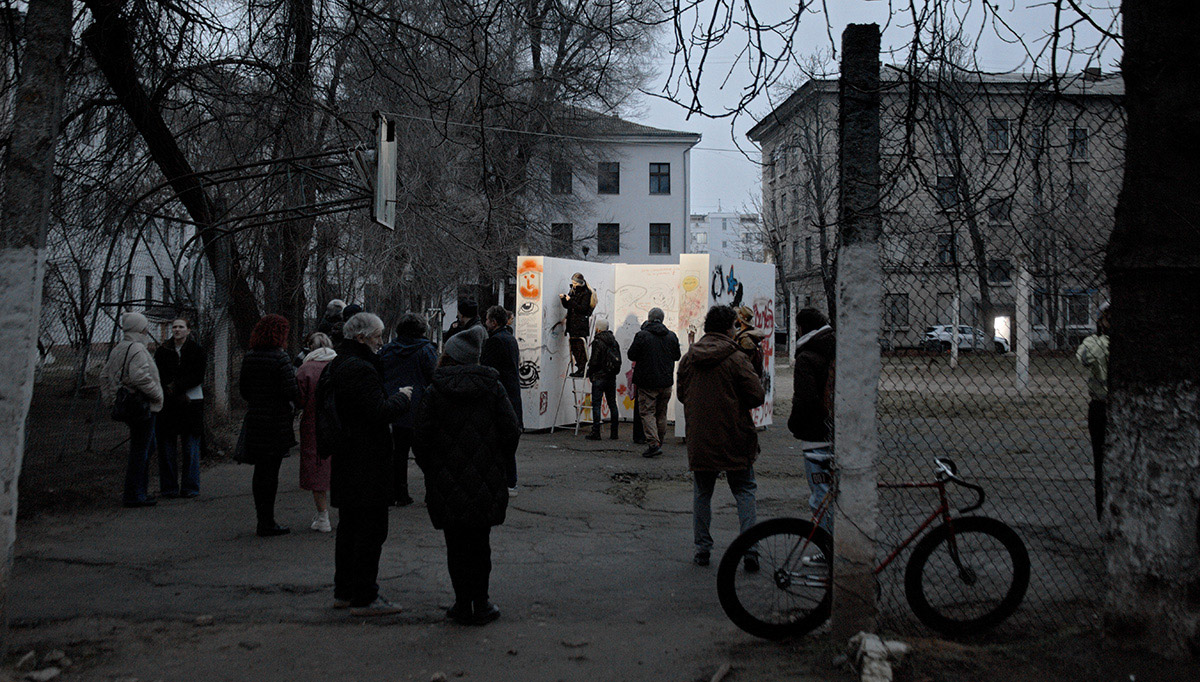
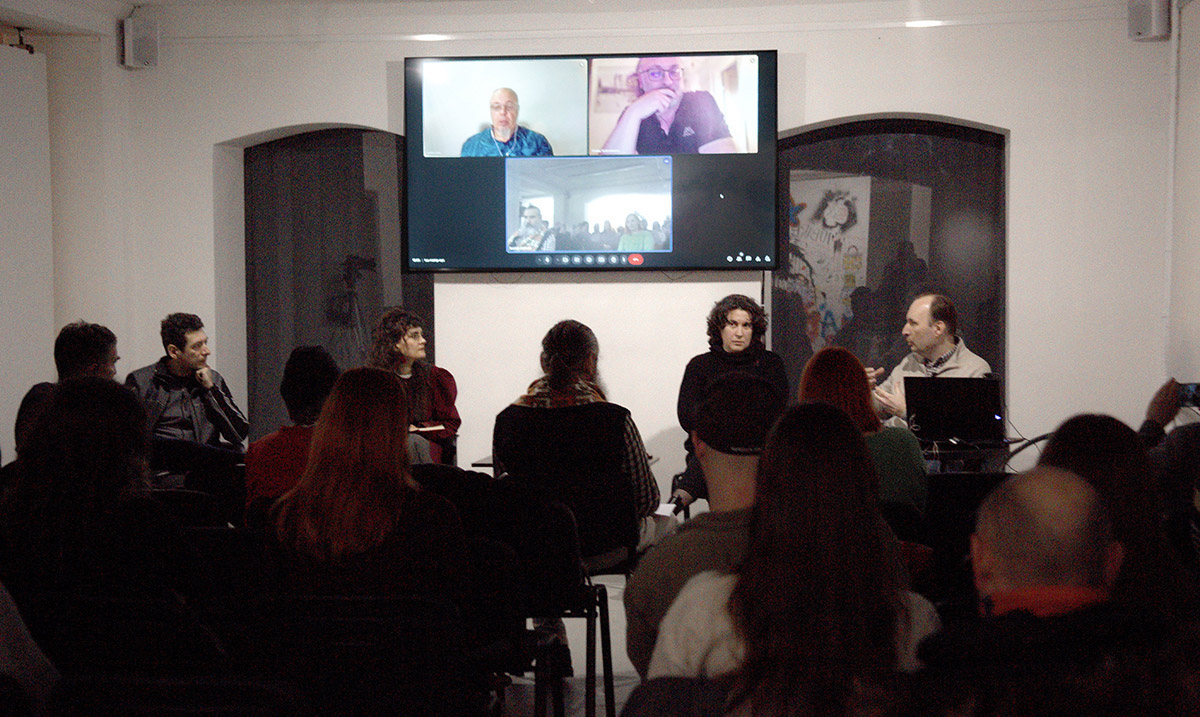
Panel discussion “Accessibility of Public Spaces for Engaging in Participatory Artistic Practices”, February 2, 2025, with Lilia Dragneva, Ştefan Rusu, Ovidiu Ţichindeleanu, Vladimir Us, Lilia Nenescu, and Zoran Erić
Panel discussion: Accessibility of Public Spaces for Engaging in Participatory Artistic Practices
The socio-spatial transformation in post-socialist countries, such as Moldova, has profoundly impacted the urban landscape of the capital, Chișinău. Social stratification has led to gentrification and the homogenization of various city neighbourhoods, processes that have reshaped urban spaces. In several countries, abandoned and obsolete buildings that had lost their original function in the new social system have been repurposed by local citizen initiatives, often transforming into hubs for new art centers and institutions. However, this has not been the case in Chișinău.
A central issue in the local context is the accessibility of "public spaces" for citizen initiatives, particularly those related to performative or participatory artistic practices. While the unfinished modernization during the socialist period did not fully explore the potential of public spaces, the new social system has questioned the need for such spaces altogether. This issue expands beyond the mere development of "privatized public spaces" resulting from the social system shift. It highlights a broader division within the city's cultural infrastructure: the "official" conservative institutional framework, confined to established venues, which creates "cultural oases," versus the active and dynamic non-governmental initiatives that seek to engage the public.
These organizations attempt to occupy public spaces with their initiatives and artistic interventions, aiming to reach diverse audiences and develop strategies that challenge and subvert the hegemonic positions of state-backed institutions (supported by private capital) that shape urban spaces.
In a context where the local art scene lacks a mainstay institution, such as a modern and contemporary art museum to provide mainstream representation of artistic practices, these initiatives fill a crucial gap. They offer a specific approach to "institutional critique" within the underdeveloped infrastructure of the arts.
With this panel, we aim to explore key questions: Who are the target audiences for participatory artistic practices? What is the potential to engage diverse communities, motivate and mobilize them, and raise awareness about their right to express opinions in the public sphere? Moreover, how can these publics be encouraged to participate in the joint production of open-ended artistic projects? This inquiry seeks to comprehend how participatory art can empower citizens, foster their engagement, and contribute to the reimagining of public spaces as sites of collective creativity and social interaction.
– by Zoran Erić
Additional Informations about Chișinău:
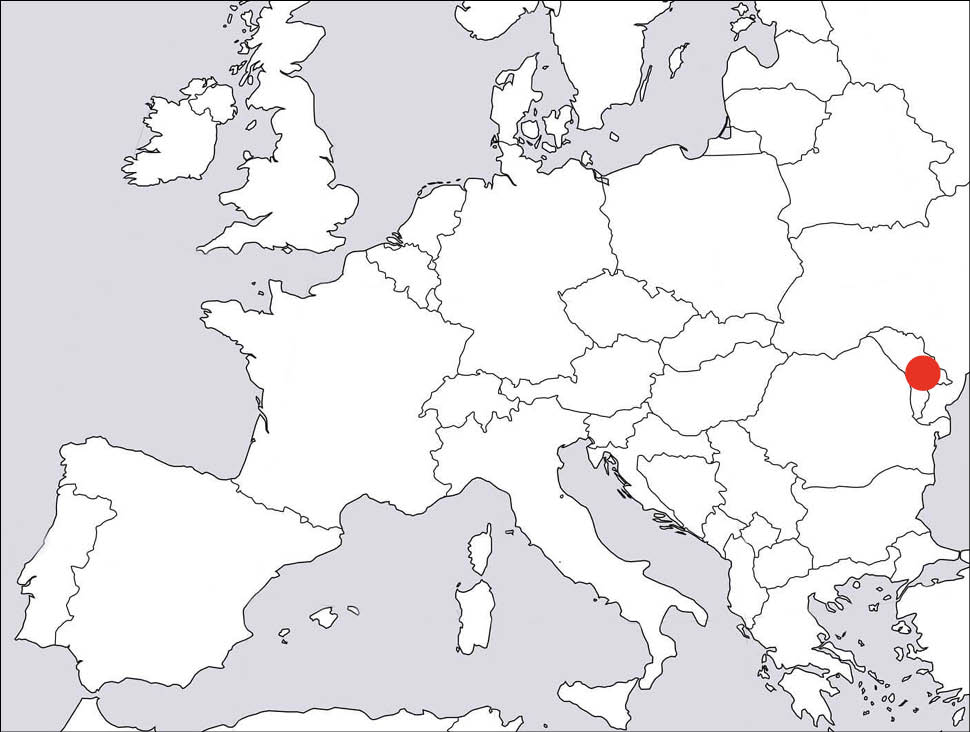
© www.freeworldmaps.net
Chișinău is the capital of the Republic of Moldova and its largest city. It developed as a significant urban centre under Russian imperial administration after 1812, acquiring neoclassical public buildings, tree-lined boulevards, and a mixed population of Moldovans, Russians, Ukrainians, Jews, and other communities. The Soviet period from 1940, interrupted by Romanian and German occupation during the Second World War, remade the city through large-scale construction of housing blocks, public institutions, and a series of monumental mosaics that are now the subject of a citizen-led documentation and preservation effort. Moldova declared independence in 1991 following the dissolution of the Soviet Union. The transition period brought significant economic hardship, population emigration, and the unresolved territorial situation of the Transnistria region, all of which have shaped the resources and conditions available for cultural life in the capital.
Chișinău does not have a modern and contemporary art museum, and this structural absence is a defining condition of the local art scene. The National Museum of Art of Moldova, founded in 1939 and housing over 40,000 works from medieval icons through twentieth-century Moldovan and European painting, is the principal public art institution. Since the mid-1990s, the Center for Contemporary Art KSA:K (formerly the Soros Centre for Contemporary Art) has provided the main institutional platform for contemporary, performative, and participatory practices, working alongside the PLAI Gallery and other independent initiatives. These organisations occupy an active space between the official conservative institutional framework, which is confined largely to established venues, and the broader public sphere. Questions of who can access public space, and under what conditions artistic interventions can engage diverse communities, are not theoretical abstractions in Chișinău but practical and political challenges that define the conditions of art-making here.
.– by Vero Róza Risnovska