
- Download Issue 65 (US Letter, 7,8 mb) Buy as Book on Demand here (US) and here (DE)

3 – Skopje
North Macedonia
Museum of Contemporary Art Skopje
Inauguration: December 19, 2024
Additional Informations about Skopje
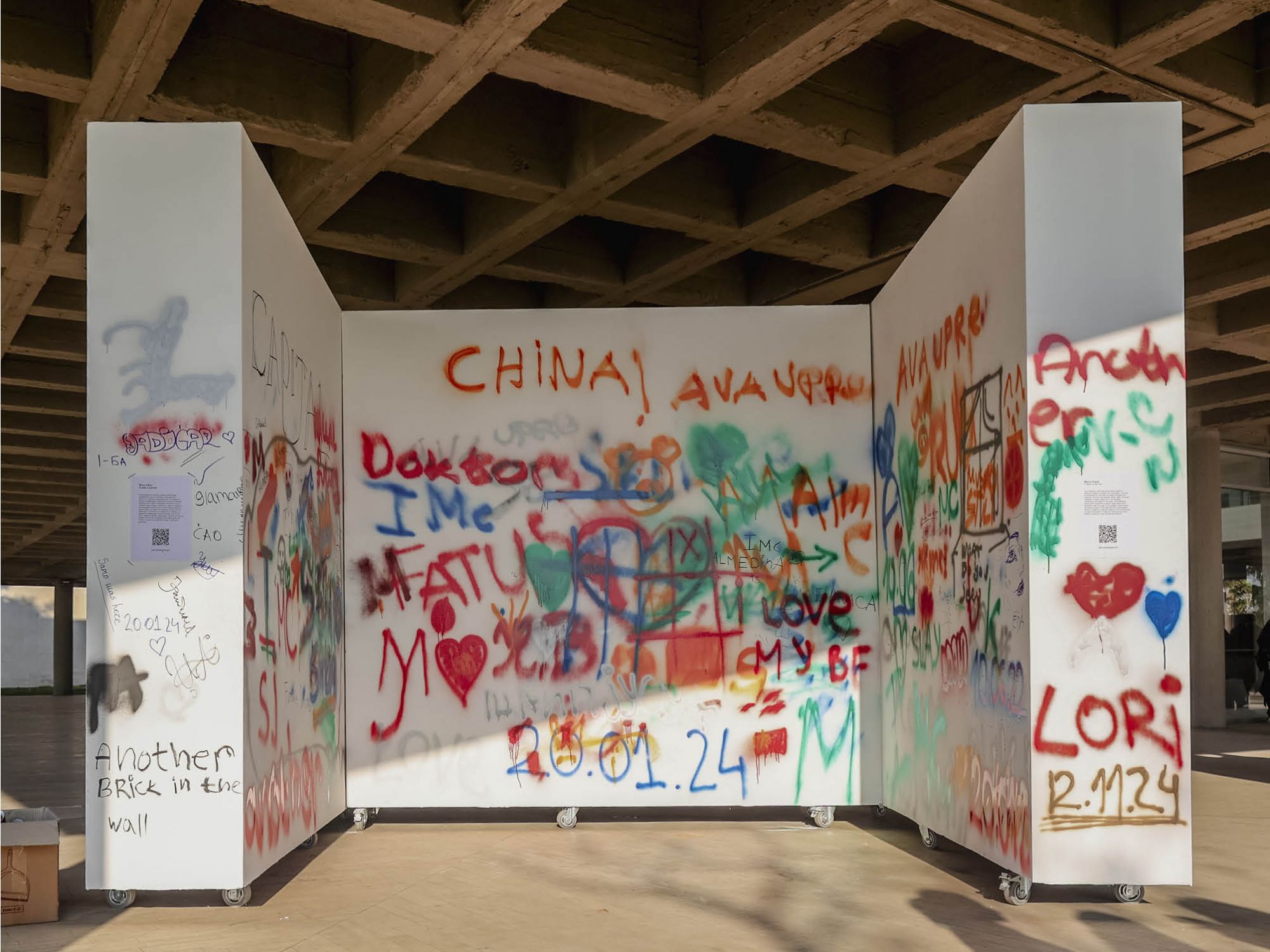


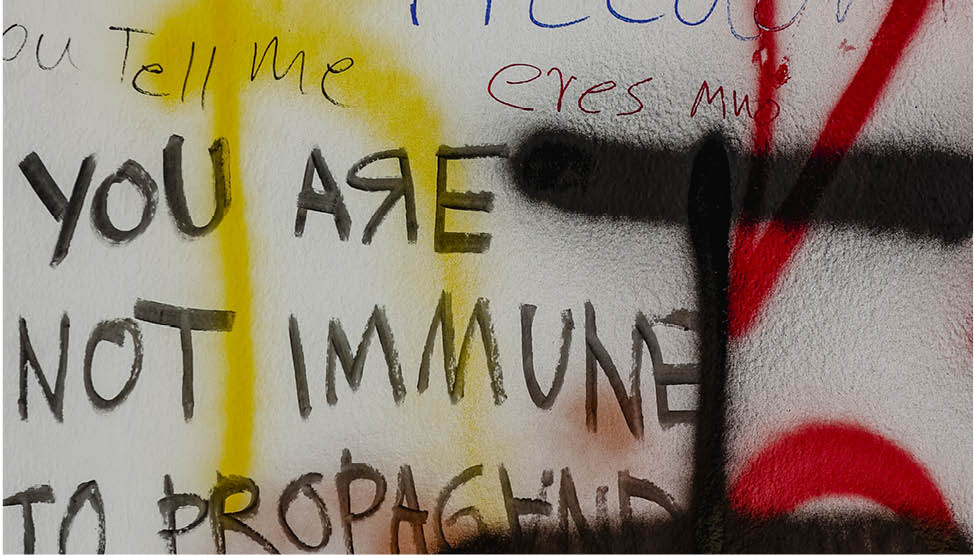
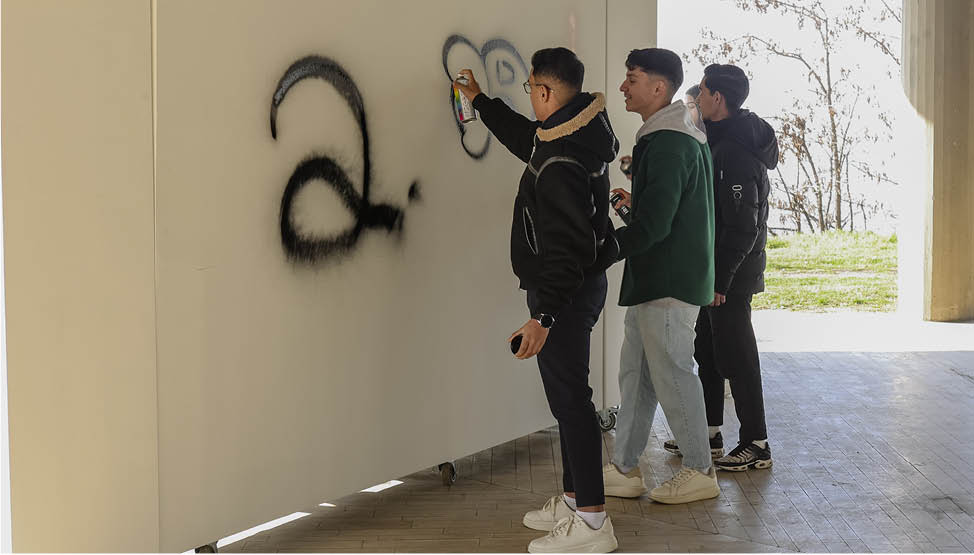
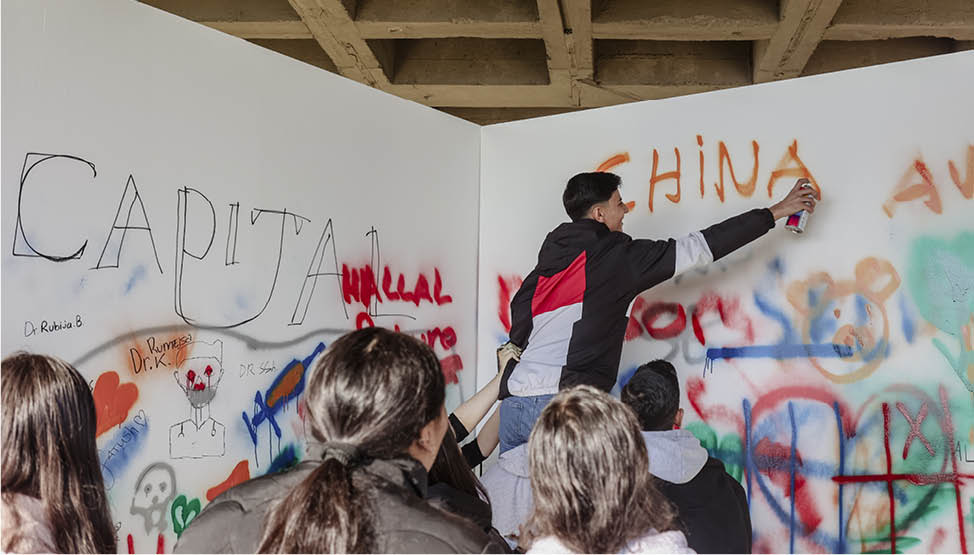
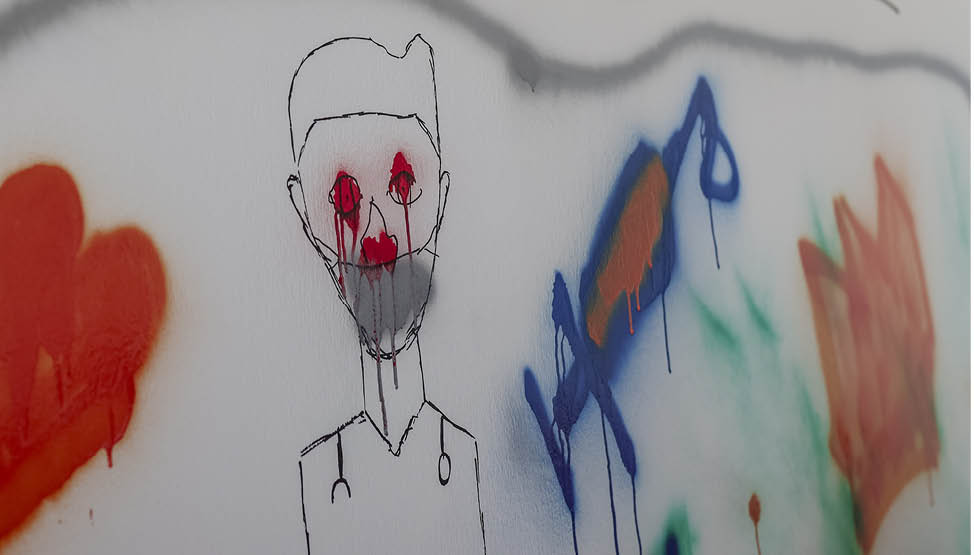
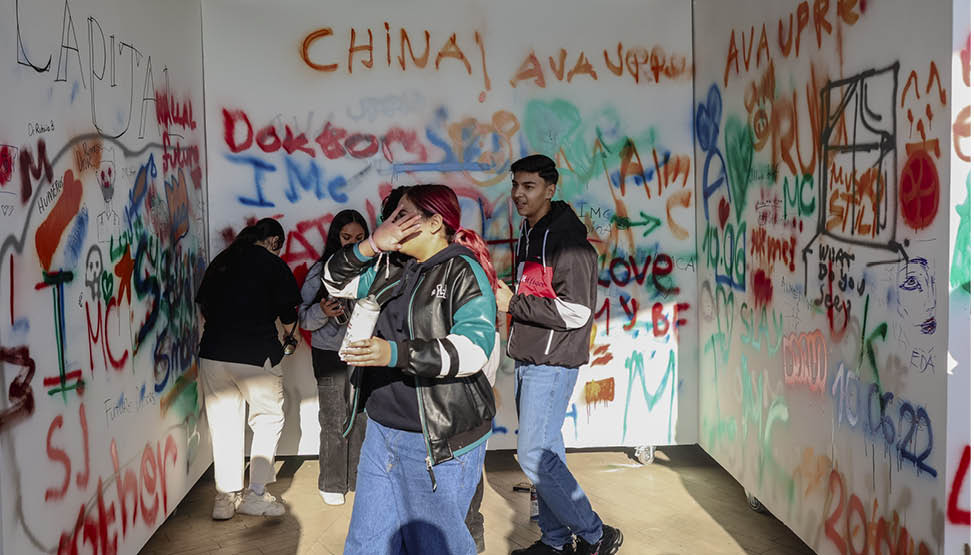
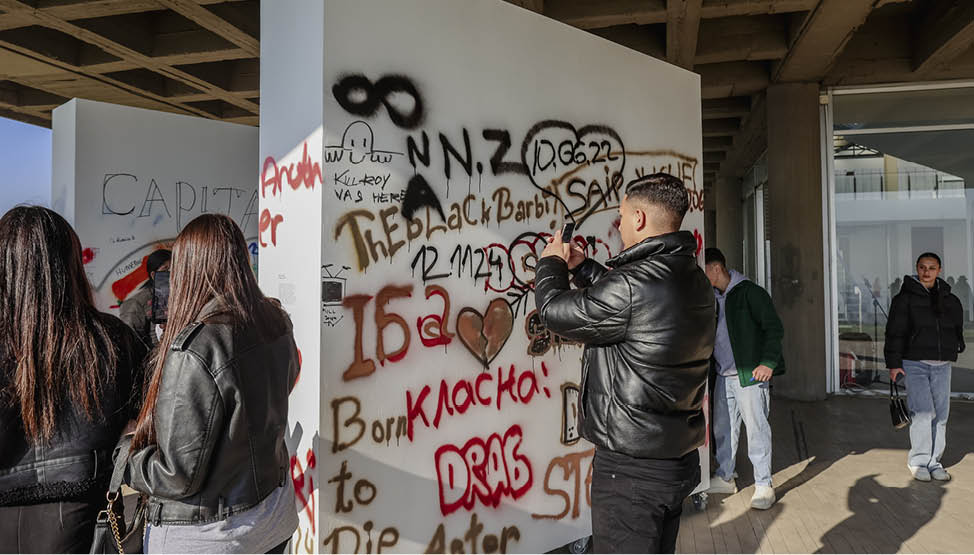
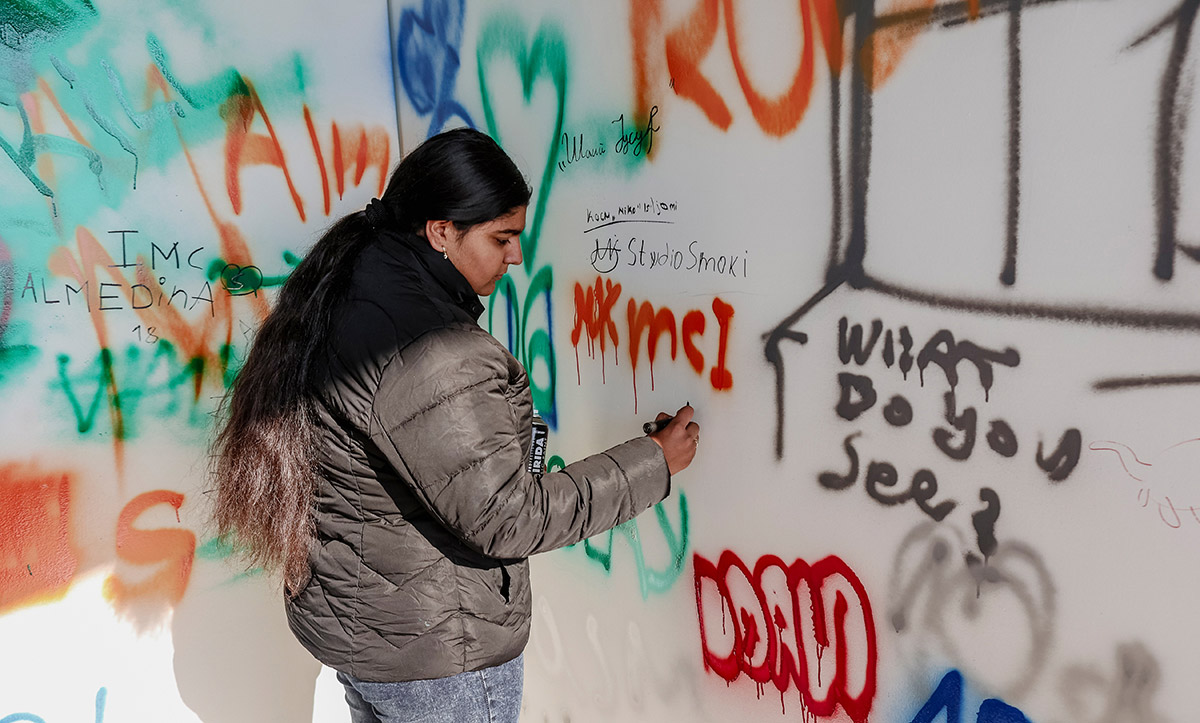
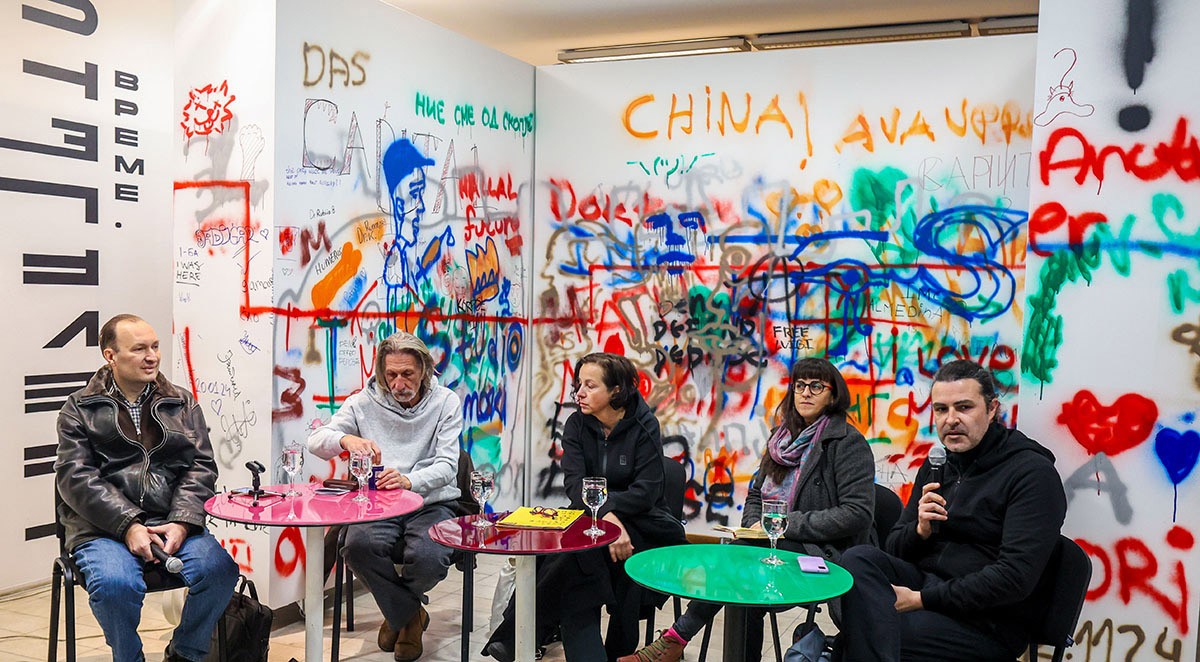
Panel discussion “Two-Way Alley – Melting Down the Museum Fortification”, December 21, 2024 with Sofia Grigoriadou, Vladimir Janchevski, Slobodanka Stevceska, Prof. Nebojsa Vilić, and Zoran Erić
Panel discussion: Two-Way Alley – Melting Down the Museum Fortification
The Museum of Contemporary Art in Skopje is situated on a hill overlooking the city, somewhat isolated from the array of public monuments introduced under the “Skopje 2014” initiative. These monuments function as symbols of a national ideological project, constructing a "false identity" and fabricating historical connections between the contemporary Slavic nation of Macedonians and their counterparts from classical antiquity. The proliferation of monuments, such as the equestrian statue of Alexander the Great, reflects a dominant ideological narrative promoted by political elites. However, the statues in public spaces also feature a variety of seemingly arbitrary figures, including musicians and a woman walking in the pedestrian zone, which contribute to the populist and, at times, obscure character of this public art.
A decade after the launch of this project, which has fuelled ethnic tensions and now faces legal challenges, Skopje is widely recognized as a “city of monuments,” yet it lacks adequate public spaces for civic engagement. This raises a critical question: What is the potential role of participatory art in public spaces designed to engage citizens?
In this context, the Museum of Contemporary Art, positioned like an "island" or fort, continues to focus on cutting-edge regional and international programs and exhibitions. The central question for this panel discussion is: How can participatory public art catalyse debates that symbolically mark the beginning of the process of creating a "monument" (Jochen Gerz)? Furthermore, how might this form of artistic practice be perceived in a city saturated with "bronze sculptures" that reinforce a mythology-based narrative, rather than reflecting the social realities of an ethnically divided city and country?
– by Zoran Erić
Additional Informations about Skopje:
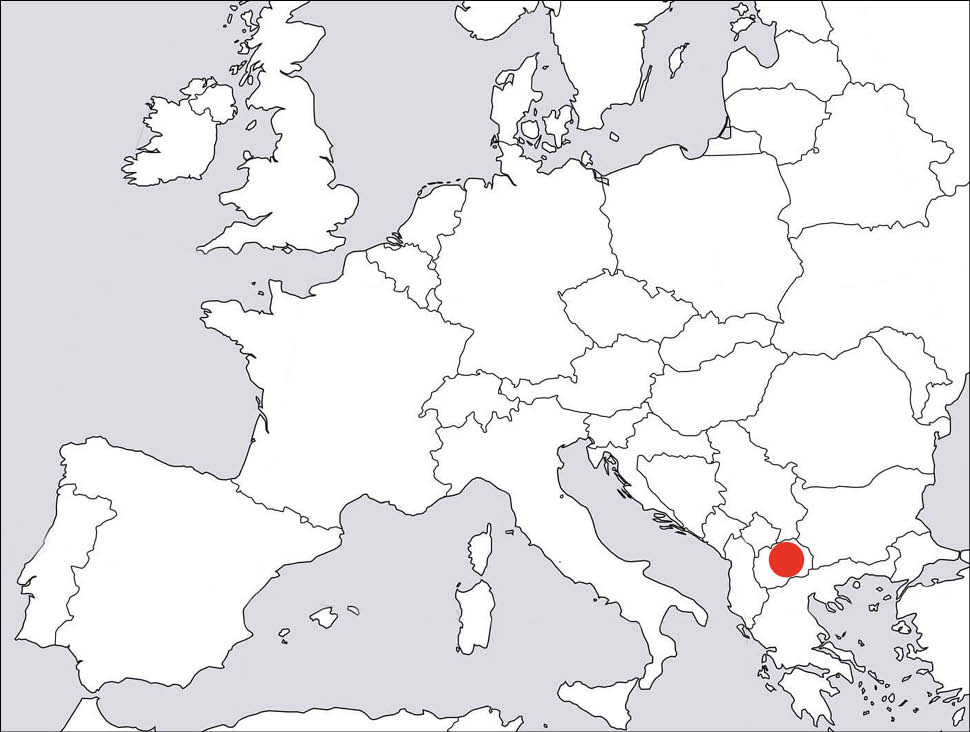
© www.freeworldmaps.net
Skopje, the capital of North Macedonia, has been continuously inhabited since at least 4000 BC and has served as a Roman, Byzantine, Bulgarian, Serbian, and Ottoman centre at different periods of its history. The city's Old Bazaar, one of the largest and best preserved in the Balkans, its Ottoman-era hammams and caravanserais, and the medieval Kale fortress above the Vardar River are the most visible traces of this layered past. In the twentieth century Skopje developed as an industrial city within Socialist Yugoslavia, a period that also produced significant cultural institutions including the National Gallery and the Museum of Contemporary Art. On 26 July 1963 a major earthquake destroyed approximately 80 percent of the city's buildings. The international reconstruction effort that followed produced a substantial body of Brutalist and Socialist Modernist architecture, a heritage that is today under-documented and at risk.
The Museum of Contemporary Art Skopje was founded in 1964 directly out of the earthquake response, when artists, institutions, and collectors from around the world donated works to the city as an act of solidarity. The resulting collection includes works by Picasso, Calder, Vasarely, Léger, and Christo, and remains the institutional and ethical foundation of the museum's programming today. From 2010 onward, the city centre was substantially altered by the government-led "Skopje 2014" initiative, which introduced neoclassical facades, new public monuments, and an equestrian statue of Alexander the Great as part of a project to construct historical connections between the contemporary Slavic nation of Macedonians and classical antiquity. The initiative has been widely criticised for fuelling ethnic tensions, displacing the city's actual modernist heritage, and failing to create adequate public spaces for civic life. The Museum of Contemporary Art, situated on a hill above the city, has maintained its focus on regional and international programming in this contested urban context.
.– by Vero Róza Risnovska